
The Strange and Fascinating World of Stinkhorn Mushrooms
A Surprising Discovery After Rainfall
After a steady rain, forests often reveal details that remain hidden during drier conditions. Moisture brings out colors, textures, and life forms that are otherwise difficult to notice.
Among these unexpected discoveries is a peculiar fungus that can appear almost overnight. The stinkhorn mushroom stands out immediately, capturing attention with its unusual form and sudden presence.
For many who encounter it for the first time, the experience can be both intriguing and startling. Its appearance seems almost out of place, adding to the sense of mystery that surrounds it.
Beginnings Beneath the Surface
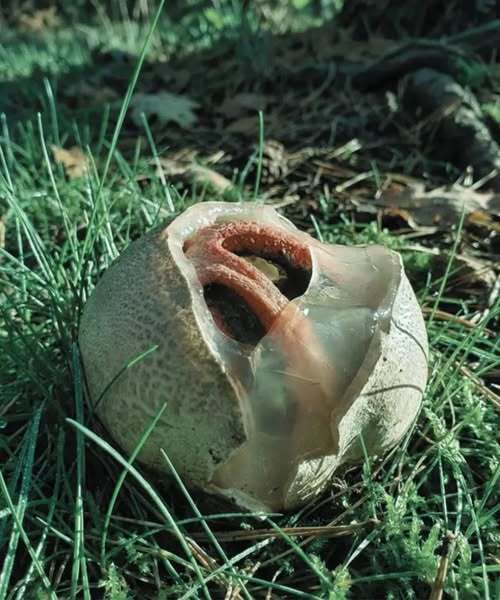
Long before it becomes visible, the stinkhorn begins its life concealed beneath the ground. It starts as a small, rounded structure commonly referred to as an “egg,” partially hidden by soil, leaves, or grass.
This early stage is deceptively simple in appearance. The outer layer feels smooth and slightly rubbery, giving little indication of what is developing inside.
Beneath this surface, a complex structure is forming. The mushroom remains in this stage until environmental conditions become favorable, quietly preparing for a rapid transformation.
Rapid Growth in a Matter of Hours
One of the most remarkable characteristics of the stinkhorn mushroom is the speed at which it grows. Once conditions are right, the outer layer of the egg splits open.
From within, the mushroom quickly extends upward, forming a tall and distinctive structure. This transformation can occur in just a few hours, making it possible for the mushroom to appear seemingly out of nowhere.
Its sudden emergence is one of the reasons it surprises so many observers. A previously empty patch of forest floor can be transformed by morning into a site featuring this unusual fungus.
A Distinctive Odor With a Purpose
The stinkhorn mushroom is widely recognized for its strong and often unpleasant smell. While this odor may be off-putting to humans, it serves a very specific function.
The surface of the mushroom is coated in a sticky substance that contains its spores. The scent attracts insects, which are drawn to what appears to be a food source.
As insects land on the mushroom, they come into contact with the spores. These are then carried away and dispersed elsewhere, allowing the fungus to reproduce effectively.
This process highlights a unique strategy within the natural world, where even an unpleasant smell becomes an essential tool for survival.
A Form That Commands Attention
Once fully developed, the stinkhorn mushroom is difficult to overlook. Its elongated stem rises prominently from the forest floor, often topped with a coated or textured cap.
The combination of its height, shape, and surface details creates a striking visual contrast against leaves, soil, and decaying wood. Its appearance can seem unusual compared to more familiar mushrooms.
For those encountering it for the first time, the experience often leads to curiosity. Its structure appears almost sculptural, drawing the eye and prompting closer observation.
Supporting the Forest Ecosystem
Despite its unusual characteristics, the stinkhorn mushroom plays a crucial role within its environment. It acts as a decomposer, breaking down organic materials such as fallen leaves and wood.
This process contributes to the recycling of nutrients within the soil. As organic matter is broken down, essential elements are returned to the ground, supporting plant growth and overall ecosystem health.
Through this function, the stinkhorn helps maintain balance within the forest. Its presence, though often overlooked, is part of a larger system that sustains a wide range of life forms.
An Unexpected Encounter
The combination of rapid growth, unusual shape, and strong odor makes the stinkhorn mushroom a memorable sight. It often appears in places where no visible sign of it existed just hours before.
This sudden transformation can create a sense of surprise, as if the forest itself has changed overnight. Such encounters highlight the dynamic and ever-changing nature of the natural world.
For many observers, this unexpected discovery becomes a lasting impression, reinforcing the idea that nature is full of surprises waiting to be uncovered.
Safe to Observe in Its Natural Setting
Although the smell of the stinkhorn mushroom may be intense, it is not harmful to humans. Observing it in its natural environment is considered safe.
However, it is best to avoid disturbing it. Like all wild organisms, it plays a role within its habitat, and leaving it undisturbed helps preserve the balance of the ecosystem.
Taking the time to observe without interference allows for a better appreciation of its unique characteristics and purpose.
A Reflection of Nature’s Diversity
The stinkhorn mushroom serves as a powerful example of the variety found within the natural world. Its unusual appearance and behavior demonstrate how different organisms adapt to survive.
From its hidden beginnings to its rapid growth and distinctive reproductive strategy, every aspect of this fungus reflects a form of natural ingenuity.
What may initially seem strange or unfamiliar can become a source of fascination. Observing such organisms encourages a deeper understanding of how ecosystems function.
Final Thoughts
The stinkhorn mushroom stands as one of the most unusual and captivating discoveries found in forest environments. Its sudden appearance, rapid development, and distinctive features make it unforgettable.
Beyond its striking presence, it quietly supports the health of its surroundings through its role in decomposition and nutrient cycling.
Encountering this fungus offers a moment to appreciate the complexity and creativity of nature, revealing how even the most unexpected forms contribute to the balance of the environment.