
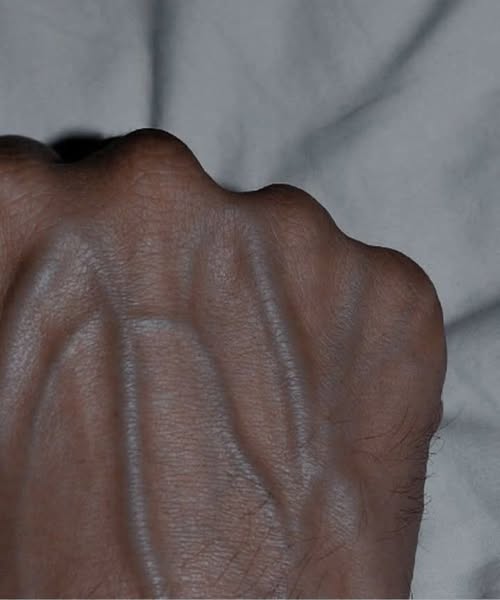
Most people notice them at some point: veins that stand out on the backs of the hands, forearms, or legs. Sometimes they emerge gradually with age. Other times, they seem to appear suddenly after exercise, weight loss, or changes in health. While prominent veins are often harmless and purely cosmetic, in some cases they may signal underlying conditions that require attention. Understanding the difference between benign and concerning causes is essential.
Veins lie just beneath the skin, but several factors make them more noticeable over time:
Low body fat: Fat acts as natural padding. When body fat decreases, veins appear more pronounced.
Age: Thinner, less elastic skin allows veins to show through more easily.
Exercise: Physical activity increases blood flow and vein size, making them pop, especially in athletes or weightlifters.
Heat: Warmth causes veins to dilate, sometimes making them appear suddenly more prominent.
For the majority of people, these causes are harmless. However, sudden changes in vein appearance, especially when combined with pain or swelling, may indicate a medical issue that needs prompt evaluation.
Common Medical Causes
Chronic Venous Insufficiency (CVI): This condition occurs when vein valves weaken or fail, causing blood to pool in the legs. Signs include twisted, rope-like veins, leg swelling, aching after standing, and, in advanced cases, skin discoloration or ulcers. Risk increases with age, obesity, pregnancy, prolonged standing, and family history.
Varicose Veins: Enlarged, twisted veins that are often blue or dark purple. They develop from valve failure and are influenced by heredity, hormonal changes, or long periods of standing. Though usually harmless, they can cause aching, throbbing, and cosmetic concerns.
Superficial Thrombophlebitis: A blood clot just under the skin causes a red, tender, cord-like vein that may be painful to touch. While less dangerous than deep clots, medical evaluation is needed to rule out underlying disorders.
Deep Vein Thrombosis (DVT): A serious condition where a clot forms in deeper veins, usually in the legs. If it dislodges, it can lead to a life-threatening pulmonary embolism. Warning signs include sudden swelling in one leg, pain in the calf, warmth, redness, and unusually prominent surface veins. DVT requires immediate medical attention.
Rapid Weight Loss or Muscle Gain: For some, prominent veins reflect positive changes in body composition. Reduced fat and increased muscle make veins more visible and pronounced. While generally harmless, rapid changes should be monitored to ensure they are safe.
Understanding when veins are merely cosmetic and when they could signal something serious is key. The distinction lies in accompanying symptoms, the speed of appearance, and individual health factors.
But when should visible veins be more than a cosmetic concern? What warning signs indicate that you should seek medical evaluation before minor issues become serious?