
How Hee Haw Became a Lasting Symbol of Rural Humor, Music, and American Television
A Show That Became More Than Entertainment
Hee Haw grew into something much larger than a weekly television program. Over time, it became a lasting cultural presence that reflected rural life, country music, and a style of humor that connected deeply with millions of viewers.
Its appeal came from a mix of laughter, music, familiarity, and warmth. While many shows entertained audiences for a season or two, Hee Haw created a bond with viewers that endured for decades.
It offered a version of television that felt inviting and recognizable, built around simple pleasures, recurring characters, and a spirit of community that resonated across generations.
A Timely Arrival in American Television
When Hee Haw premiered in 1969, the United States was moving through a period of major cultural and social change. Television was evolving, audiences were shifting, and many viewers were looking for programming that felt familiar and grounding.
The show arrived at precisely that moment, offering an atmosphere rooted in tradition, humor, and music. It gave people a dependable kind of entertainment that felt comforting rather than confrontational.
Instead of chasing complexity, it embraced a style built on rhythm, personality, and everyday themes. That choice helped it stand apart from many other programs of its era.
The Creators Behind the Format
Hee Haw was created by Frank Peppiatt and John Aylesworth, who shaped it as a variety show with a distinct rural identity. While it drew inspiration from earlier television formats, it gave those ideas a new setting and a recognizable tone.
What made the show different was not simply that it mixed comedy and music, but that it did so through a stylized countryside world filled with cornfields, porches, and recurring personalities.
The result was a format that felt both fresh and nostalgic. It seemed playful and old-fashioned at the same time, which helped broaden its appeal.
From Network Television to Syndicated Success
The show first aired on CBS, where it ran for two seasons. Though its network run was relatively brief, that did not mark the end of its story.
After leaving CBS, Hee Haw moved into first-run syndication, where it found remarkable success. In that format, it continued for more than two decades and became one of the longest-running syndicated television programs in American history.
This transition proved crucial to its legacy. Freed from some of the pressures of network programming, the show was able to build a loyal audience and maintain its distinct identity over a much longer period.
A Formula Built on Familiarity
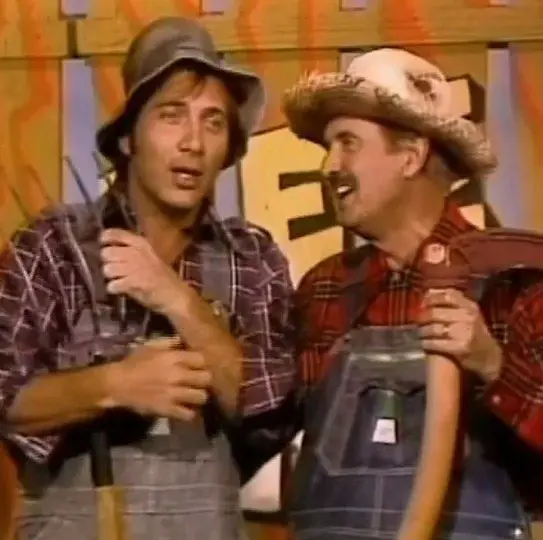
At the heart of Hee Haw was a formula that remained consistent and effective. Each episode combined recurring comedy sketches, musical performances, and appearances from a cast that viewers came to know and love.
This repetition was not a limitation. It was part of the show’s strength. Audiences returned because they knew what kind of experience they would get, and that familiarity became a major part of its charm.
The structure created a sense of rhythm. Comedy led into music, music gave way to recurring bits, and the cast’s easy rapport held it all together.
An Idealized Rural World
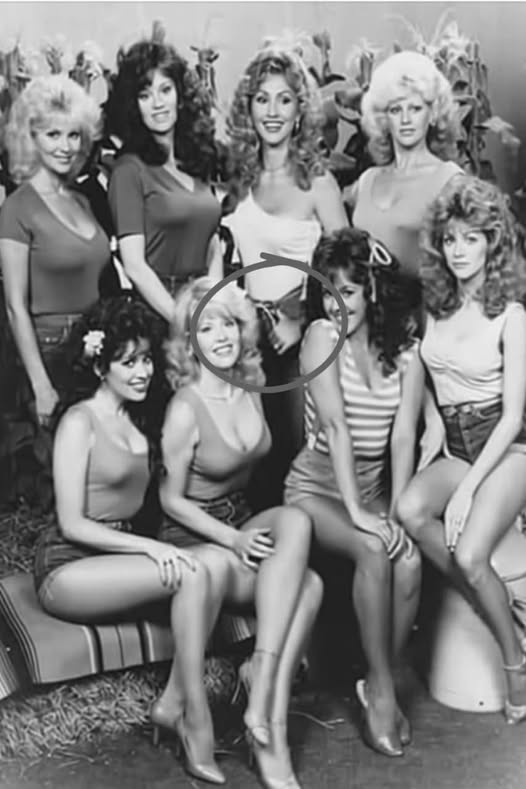
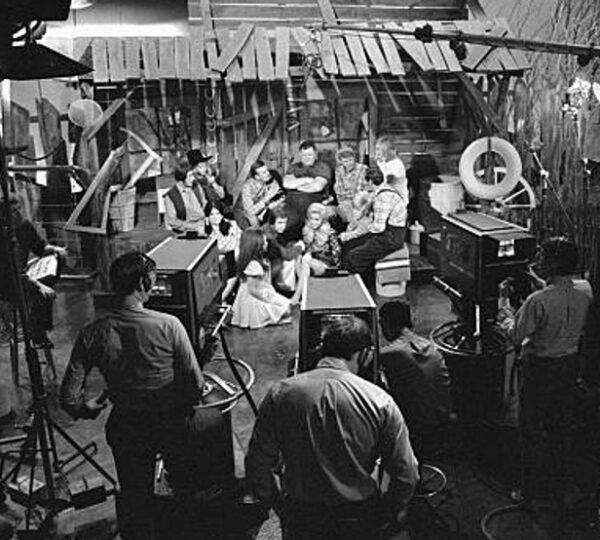
The setting of Hee Haw was an important part of its identity. It presented a stylized version of rural America, complete with barns, front porches, hay bales, and open fields.
This world was not meant to be a realistic documentary portrait. Instead, it reflected an idealized small-town atmosphere built around humor, neighborly interaction, and simple pleasures.
For many viewers, that setting felt emotionally significant. It suggested a place where people still knew one another, where laughter came easily, and where music was woven into the fabric of everyday life.
Roy Clark and Buck Owens as the Show’s Anchors
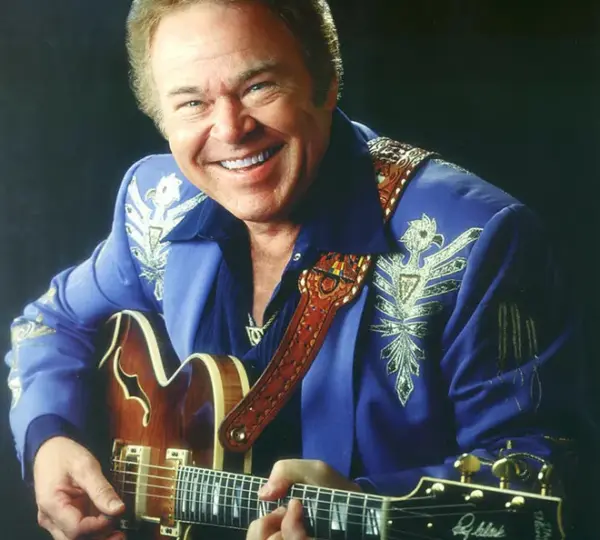
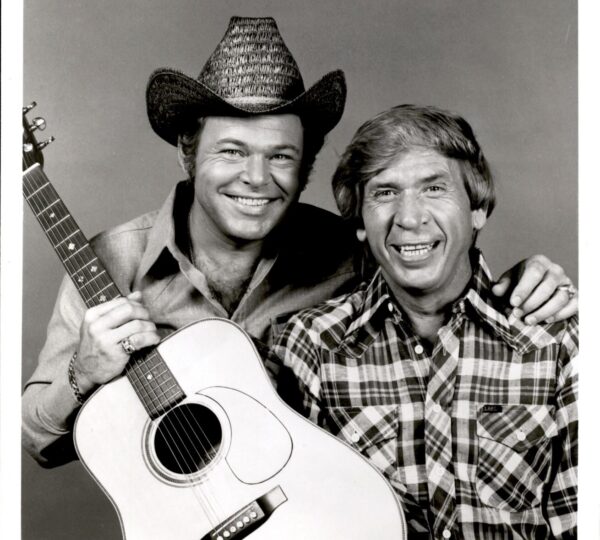
Much of the show’s success depended on its hosts, Roy Clark and Buck Owens. Both were accomplished musicians, and both brought charisma and credibility to the program.
Roy Clark was known for his extraordinary versatility. Whether playing guitar, banjo, or fiddle, he displayed remarkable talent while maintaining an easygoing presence that made his skill feel approachable rather than distant.
Buck Owens brought his own distinct energy. As a leading figure in the Bakersfield sound, he added musical authority and a sharp sense of humor that helped shape the show’s personality.
The Chemistry That Made the Show Feel Alive
Together, Clark and Owens created a balance that gave the series its tone. Their chemistry felt natural, and their interactions helped keep the program lively without making it seem overly polished or rigid.
They served as more than hosts. They were the emotional center of the show, guiding viewers through the blend of jokes, songs, and recurring segments with warmth and confidence.
Their presence made the show feel welcoming. It was clear they understood the format and enjoyed the world they were helping create.
A Cast Full of Familiar Faces
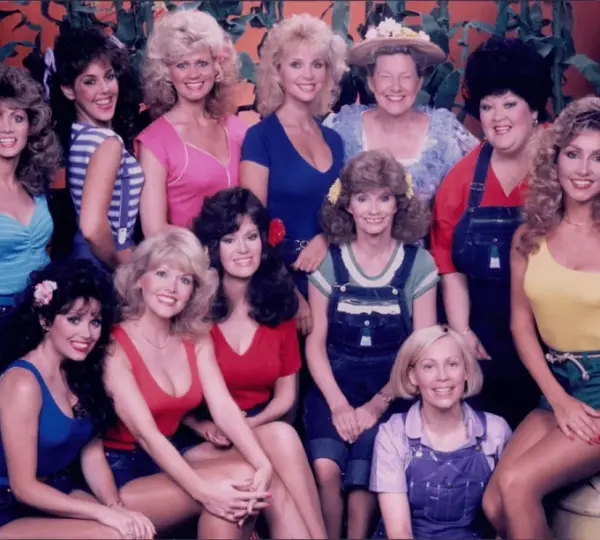
Beyond its hosts, Hee Haw featured a large and memorable ensemble of performers who added variety and personality to the program. These cast members brought different forms of humor, timing, and musical talent that enriched the overall experience.
One of the most beloved figures was Minnie Pearl, whose signature greeting and unmistakable delivery made her a lasting symbol of country comedy. She brought personality and charm to every appearance.
Grandpa Jones also became a fan favorite, blending storytelling, traditional music, and a character style that celebrated rural heritage with warmth and humor.
The Power of Recurring Comedy Segments
The show became especially well known for its recurring comedy bits. Among the most famous were the Kornfield Kounty segments, where cast members popped up from behind rows of corn to deliver rapid-fire jokes.
These jokes were often intentionally corny, but that was part of the appeal. The humor was accessible, playful, and built around ordinary situations and familiar frustrations.
Rather than trying to be cutting or cynical, the show embraced a gentler comedic style. That choice helped make it suitable for families and broadened its reach.
Humor Rooted in Everyday Experience
The comedy on Hee Haw drew much of its strength from recognition. Viewers could understand the setups immediately because they were often based on ordinary life, simple misunderstandings, or universal frustrations.
This approach gave the show a strong sense of relatability. Even when the jokes were exaggerated, they still felt grounded in experiences audiences could identify with.
That quality made the laughter feel communal. People were not just reacting to punchlines, but to situations that felt close to home.
Music as a Central Force
While the comedy made the show memorable, music was just as essential to its identity. Hee Haw regularly featured live performances that highlighted country, bluegrass, gospel, and traditional American folk music.
These segments gave the show artistic depth and reinforced its connection to country music audiences. It was not simply a comedy program with occasional songs. Music was built into its structure and purpose.
The emphasis on performance helped distinguish it from many other television shows of the time. Viewers were getting not only entertainment, but also a showcase of genuine musical ability.
A Platform for Established Stars and New Talent
Many episodes featured guest appearances by well-known performers, giving audiences the chance to see artists they admired in a relaxed and welcoming environment. The show also helped introduce emerging talent to broader audiences.
Because of its popularity and longevity, Hee Haw became a valuable platform within country music culture. Appearing on the show could help reinforce an artist’s visibility and connect them with fans across different regions.
In this way, the program contributed not only to entertainment but also to the growth and preservation of musical careers.
The Value of Live Performance
One of the most important aspects of the show’s musical identity was its commitment to the feel of live performance. Rather than relying heavily on editing or excessive polish, the program allowed viewers to experience music with a greater sense of immediacy.
This gave the performances authenticity. There was energy in the imperfections, and that made the music feel more alive.
Viewers were not watching something heavily manufactured. They were watching artists perform in a way that felt direct and personal.
Preserving Musical Traditions
Hee Haw also played an important role in keeping traditional forms of American music visible. By featuring country, bluegrass, gospel, and folk influences so prominently, it helped maintain audience familiarity with musical styles that might otherwise have faded from mainstream television.
This preservation mattered across generations. Younger viewers who encountered these sounds through the show were introduced to traditions that carried deep cultural significance.
In that way, the program functioned as both entertainment and cultural preservation.
A Deliberately Rustic Visual Style
The show’s visual presentation reinforced everything it wanted to communicate. Its sets, props, and costumes were designed to evoke a rustic world that matched its themes.
Rather than aiming for sleek sophistication, it embraced a deliberately unpolished look. That choice made the setting feel more consistent with the humor and music it was presenting.
The rustic visual identity also distinguished the program from more urban-centered television, giving it a memorable and recognizable atmosphere.
A Family Viewing Tradition
For many households, Hee Haw became part of a weekly routine. Families gathered to watch together, turning the show into more than an individual pastime.
This shared viewing experience was one of its greatest strengths. Because the humor avoided harshness and the music appealed across age groups, it became a program that multiple generations could enjoy at the same time.
That communal quality gave the show a special place in family life. It created memories that stretched beyond the broadcast itself.
Winning Over Audiences Despite Critical Doubt
Although critics sometimes dismissed the show’s rural humor as simplistic, audience response told a different story. Hee Haw consistently maintained strong popularity and viewer loyalty.
Its success showed that emotional connection and entertainment value mattered more to many viewers than critical approval. The show understood its audience and delivered what they wanted with consistency and sincerity.
That loyalty helped sustain it through years of syndication and changing entertainment trends.
Adapting Without Losing Its Identity
Part of the show’s longevity came from its ability to evolve while still remaining unmistakably itself. It incorporated new performers and adapted to changes in music and television without abandoning the qualities that defined it.
This balance was essential. Too much change could have diluted its identity, while too little change might have made it feel stale.
Instead, Hee Haw managed to refresh itself gradually while preserving the tone and structure that audiences loved.
A Broader Cultural Influence
The show’s influence extended beyond television ratings. It helped reinforce the presence of country music in mainstream media and introduced rural themes to audiences who might not have encountered them regularly elsewhere.
Its idealized small-town world contributed to larger cultural conversations about identity, belonging, and American tradition. Even when exaggerated for humor, it reflected values that many viewers found meaningful.
In that sense, the show was not just a product of entertainment culture. It also helped shape how certain aspects of American life were represented and remembered.
A Legacy That Continued After Its Run Ended
Even after its original run ended in 1993, Hee Haw continued to find audiences through reruns, home releases, and later digital access. New viewers discovered it, while longtime fans returned to it with affection and nostalgia.
This lasting relevance speaks to the timelessness of its core elements. Humor, music, community, and sincerity remain powerful when presented with genuine feeling.
The show’s continued appeal also reflects a broader appreciation for entertainment that values warmth and humanity over spectacle.
Why Hee Haw Still Matters
Today, Hee Haw remains significant because it represents a form of entertainment built on connection. It did not rely on extravagance or complexity to make an impression.
Its strength came from talent, chemistry, humor, and an atmosphere that made viewers feel included. That simplicity was not a weakness. It was the source of its staying power.
The show reminds audiences that meaningful entertainment can emerge from sincerity, repetition, and joy when those qualities are handled with skill and heart.
A Lasting Celebration of Community and Creativity
In the end, Hee Haw stands as a celebration of laughter, music, and shared experience. It preserved artistic traditions, elevated performers, and gave audiences a weekly place to return to for comfort and enjoyment.
Its legacy continues not only through the performers it showcased, but through the broader idea that entertainment can still feel personal, communal, and rooted in cultural identity.
More than a television show, Hee Haw became a lasting reminder that simple storytelling, genuine talent, and a sense of belonging can leave an impression that endures for generations.