
Understanding Common Skin Bumps on the Neck and When to Seek Medical Advice
A Common but Often Overlooked Concern
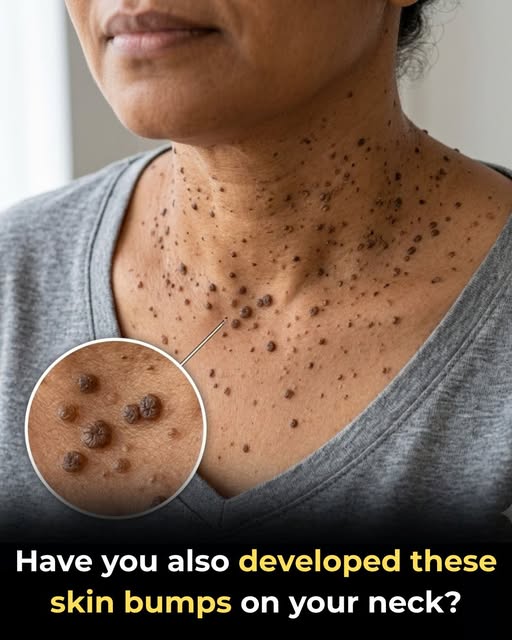
Many people notice small bumps developing on their neck over time.
These growths can appear as rough, raised, or slightly discolored spots that may feel unusual but are often harmless.
Although they can cause concern, most neck bumps are benign and non-contagious.
Understanding their causes can help determine whether they require attention or simple reassurance.
Skin Tags: A Frequent and Harmless Growth
One of the most common types of neck bumps is skin tags, also known as acrochordons.
They appear as soft, flesh-colored flaps or small stalks of skin.
These growths typically form in areas where skin experiences friction, such as the neck, underarms, and eyelids.
They are often linked to factors like aging, weight changes, or genetics.
While harmless, they can be removed by a dermatologist if they become bothersome.
Seborrheic Keratoses: Age-Related Skin Changes
Seborrheic keratoses are another common cause of bumps on the neck.
They often appear as waxy, slightly raised patches that may look as if they are stuck onto the skin.
These growths can range in color from light brown to black and may have a rough texture.
They are typically associated with aging and are not contagious.
Although they are benign, any noticeable changes in appearance should be evaluated by a medical professional.
Keratosis Pilaris: A Texture-Related Condition
Keratosis pilaris is characterized by tiny, rough bumps that may resemble sandpaper.
These bumps are often flesh-toned or slightly red and are commonly found on the arms and thighs.
In some cases, they can also appear on the neck or face.
This condition occurs when keratin builds up and blocks hair follicles.
It is harmless and can often be managed with regular moisturizing.
Warts: A Contagious Skin Growth
Warts are caused by the human papillomavirus and can appear as rough, irregular bumps.
They may develop individually or in clusters and can spread through direct contact.
On the neck, they are often smaller and flatter compared to those on other parts of the body.
While usually not dangerous, they can be treated or removed if they spread or cause discomfort.
Medical treatment options are available for effective management.
Recognizing When to Seek Medical Advice
Although most neck bumps are harmless, certain changes may require professional evaluation.
Rapid growth, persistent irritation, or unusual symptoms should not be ignored.
It is important to monitor any changes in size, shape, or color.
Consulting a dermatologist can provide clarity and ensure appropriate care.
Warning Signs That Should Not Be Overlooked
Some features may indicate a need for further examination.
Bumps that bleed, itch, or become painful should be assessed.
Changes in color or irregular borders can also be a cause for concern.
Growths in sun-exposed areas, such as the neck, should be monitored carefully.
Potential Signs of More Serious Conditions
In rare cases, certain skin changes may indicate more serious conditions.
A pearly or shiny bump may require evaluation to rule out specific skin concerns.
A scaly patch that does not heal over time should also be examined.
Dark spots with uneven edges may need further assessment to determine their nature.
Maintaining Skin Awareness
Regularly observing the skin helps identify changes early.
Being aware of new or evolving growths can support timely medical consultation.
While most bumps are harmless, staying informed allows for better decision-making.
This approach ensures both peace of mind and proper care when needed.
Conclusion
Skin bumps on the neck are a common occurrence and are usually benign.
Conditions such as skin tags, seborrheic keratoses, keratosis pilaris, and warts account for most cases.
Understanding their characteristics can help distinguish between harmless growths and those requiring attention.
When in doubt, seeking professional advice is the best way to ensure proper evaluation and care.
Awareness and timely action remain key to maintaining healthy skin.