
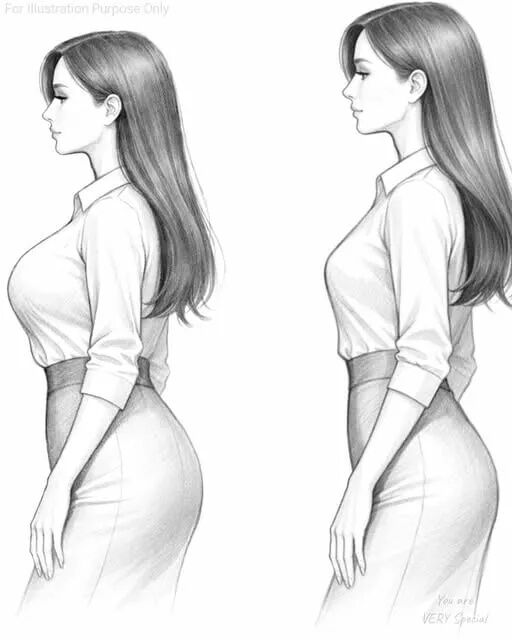
Understanding Breast Size: Myths, Hormones, and Holistic Health
The Role of Hormones in Breast Development
Breast size is influenced by hormonal health, particularly through the actions of estrogen, progesterone, and prolactin. These hormones play critical roles in breast tissue development and in the changes that occur over time. While hormonal levels contribute to growth and fluctuations, they are not the sole factor determining size, and breast measurements alone cannot reliably indicate overall hormonal balance or health.
Historical and Cultural Perceptions
Breasts have long been a subject of fascination and commentary across cultures. Historically, they have been associated with beauty, fertility, femininity, and even vitality. This symbolism has fueled assumptions about what breast size may signify about a person’s health or hormonal strength. One persistent misconception is that small breasts reflect weak hormones or poor vitality. In reality, breast size varies widely among individuals and offers no dependable insight into hormonal function or overall well-being.
Physical traits such as height, facial structure, or body proportions vary naturally, and breasts are no exception. Size exists on a broad spectrum, and outward appearance is a poor indicator of internal biological processes. Assigning health or hormonal value based solely on visual characteristics is misleading and ignores the complexity of human physiology.
Genetics and Other Contributing Factors
Genetics plays a primary role in determining breast size and shape. From birth, genetic inheritance influences the structure of breast tissue, including the relative amounts of glandular tissue, fatty tissue, and connective support. Hormones like estrogen and progesterone guide development, particularly during puberty, pregnancy, breastfeeding, and menopause, but the effect of these hormones differs from person to person. Two individuals with similar hormone levels can exhibit dramatically different breast sizes due to variations in their genetic blueprint.
Body fat distribution is another contributing factor. Breasts contain fatty tissue that can increase or decrease with changes in overall body composition. These factors, whether alone or in combination, do not serve as reliable markers of hormonal balance, vitality, or health. Appearance cannot substitute for a detailed understanding of biological processes.
The Complexity of Hormonal Health
Hormonal regulation is a complex and dynamic system. Hormone levels fluctuate naturally throughout the day and across the lifespan, responding to sleep quality, stress, physical activity, nutrition, illness, and emotional state. These fluctuations are largely invisible from the outside. A person with small breasts may have fully balanced hormones, while another with larger breasts may experience hormonal disruption. Surface traits do not reveal internal chemistry.
Medical professionals evaluate hormonal health using symptoms, patterns, and diagnostic tests, rather than appearance. Indicators such as energy levels, menstrual regularity, mood stability, sleep quality, and metabolic function provide far more meaningful insight into hormonal balance than any visual measurement.
Cultural Pressure and Misconceptions
Society often places undue emphasis on breast size, framing it as a standard of femininity or attractiveness. These standards vary across time and cultures, underscoring their arbitrary nature. There is no ideal size that correlates with health, youth, or value as a person. Studies linking breast size to conditions like back pain or metabolic disorders generally reflect broader factors such as weight distribution, posture, or overall body mass, rather than suggesting breast tissue itself is causal. Misinterpreting these correlations reinforces myths and spreads misinformation.
Understanding health requires a holistic perspective that considers the body as a system. No single physical trait, including breast size, can accurately define overall well-being or hormonal function.
Supporting Hormonal Balance Through Lifestyle
Maintaining hormonal health relies on consistent, supportive habits rather than altering appearance. A nutrient-rich diet provides essential building blocks for hormone production and regulation. Regular physical activity promotes circulation, metabolic function, and stress reduction. Adequate sleep supports repair and hormonal recalibration, while effective stress management protects endocrine function from chronic disruption. Prolonged stress, in particular, can significantly impact hormones such as cortisol, insulin, and reproductive hormones, far more than genetics or body shape alone.
Supplements and herbal remedies may provide additional support for some individuals but should be used thoughtfully and under professional guidance. Hormones operate within delicate feedback systems that require balance, and extremes or unregulated interventions can be harmful.
Reframing Perceptions and Embracing Diversity
Perhaps the most meaningful approach to wellness comes from releasing appearance-based judgments. Variation in breast size is a natural feature of human biology, not a reflection of dysfunction. Diversity in shape and volume demonstrates adaptability rather than imbalance. No measurement can define vitality, femininity, or personal worth.
True health is reflected in the body’s ability to function effectively and support daily life, rather than in symmetry, proportions, or curves. Confidence grows when comparison is replaced with respect for individual differences. Valuing functionality, resilience, and overall well-being fosters a healthier relationship with the body and with oneself.
Conclusion: Beyond Size
Breast size is a complex trait shaped by genetics, hormones, body composition, and life stages. Despite societal pressures and long-standing myths, it does not serve as a reliable indicator of hormonal health or general well-being. A holistic approach to health emphasizes lifestyle, functionality, and balance, rather than visual markers.
By shifting focus from appearance to performance and well-being, individuals can cultivate a more accurate and empowering understanding of their bodies. Recognizing that variation is normal and healthy allows for greater acceptance and reduces the influence of unfounded cultural expectations. Ultimately, valuing health through function and attentiveness, rather than outward form, promotes both physical resilience and emotional well-being.