
What a Red Ring on Your Child’s Scalp Could Mean and How to Respond Safely
When a Sudden Scalp Change Causes Concern
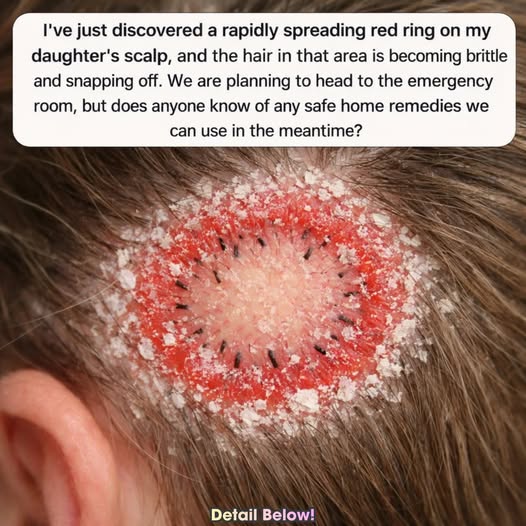
Noticing a red, circular patch on your child’s scalp—especially when hair appears to be breaking or thinning in that exact spot—can be unsettling. The way it seems to spread quickly can make the situation feel even more urgent.
While the appearance may look severe, understanding what could be causing it can help reduce anxiety and guide the next steps. Many scalp conditions in children are treatable, particularly when addressed early.
Recognizing the signs and knowing how to respond can make a significant difference in both comfort and recovery.
Why a Red Ring with Hair Loss Should Not Be Ignored
A round, red patch combined with broken or missing hair can point to an underlying scalp infection. These infections often cause inflammation, which may lead to discomfort or irritation.
In some cases, the condition can worsen if not treated, potentially causing swelling, tenderness, or even secondary infections. The visible redness often reflects the body’s response to irritation or infection.
Because certain scalp infections can spread easily, early attention is important not only for your child but also for others who may be exposed.
Monitoring how quickly the patch changes can help determine how urgent the situation may be.
Understanding Tinea Capitis and Its Effects
One of the most common causes of these symptoms in children is tinea capitis, often referred to as scalp ringworm. Despite its name, it is not caused by a worm but by fungi that thrive in warm, moist environments.
This condition affects the scalp and hair shafts, leading to scaly patches, hair breakage, and a distinctive ring-shaped redness. The hair may appear as if it has snapped off close to the scalp, leaving behind small dark dots.
Itching is also common, and the affected areas may feel sensitive. The infection can develop quickly, making early recognition especially important.
Because it targets both skin and hair, treatment requires more than surface-level care.
How It Spreads Between Children
Tinea capitis is highly contagious and can spread through direct contact with an infected person or animal. It can also be transmitted indirectly through shared items.
Objects such as hairbrushes, hats, pillows, and towels can carry the fungus if they are used by multiple individuals. This makes shared environments like schools or homes particularly vulnerable.
Children are especially at risk because of close interaction with peers and frequent sharing of personal items.
Understanding how it spreads is key to preventing further transmission.
Distinguishing It from Other Scalp Conditions
Several common scalp issues can appear similar at first glance, but there are important differences. Dandruff, for example, produces white flakes but does not typically cause broken hair or circular red patches.
Eczema may lead to redness and irritation, yet it often appears in multiple areas of the body rather than being confined to a single ring-shaped patch.
Head lice cause intense itching and visible nits, but they do not create round lesions or localized hair breakage.
The combination of a circular pattern and snapping hair is a distinguishing feature that helps identify fungal infections like tinea capitis.
Signs That Require Immediate Medical Attention
While many cases can be managed effectively with proper treatment, certain symptoms indicate the need for urgent medical care. These include high fever, severe pain, or swelling that extends beyond the affected area.
Rapid expansion of the patch or the presence of pus-filled sores may signal a more serious or secondary infection.
If your child appears unwell overall or shows signs of significant discomfort, it is important to seek professional evaluation without delay.
Prompt attention can help prevent complications and speed up recovery.
Steps You Can Take at Home
While arranging a medical appointment, there are practical actions that can help manage the situation. Gently washing the scalp with a mild antifungal shampoo can provide temporary relief and reduce the spread of the infection.
Encourage your child to avoid scratching, as this can worsen irritation and introduce bacteria. Keeping nails trimmed can also help reduce the risk of further damage.
Clothing, bedding, and personal items should be washed in hot water to eliminate any lingering fungi. Brushes and combs should be thoroughly cleaned or replaced.
Limiting the sharing of personal items is essential during this period.
What to Avoid During Treatment
It is important to be cautious when considering remedies found online or through informal advice. Substances such as vinegar, garlic, or concentrated oils can irritate the scalp and worsen symptoms.
Avoid aggressive scrubbing or the use of harsh chemicals, as these can damage the skin and delay healing.
Relying on proven, medically recommended treatments is the safest approach. Consulting a healthcare provider ensures that the condition is properly diagnosed and treated.
Sticking to evidence-based care helps prevent unnecessary complications.
Why Surface Treatments Alone May Not Be Enough
Many over-the-counter antifungal creams are designed for skin conditions and may not penetrate deeply enough into the hair follicles where the infection resides.
Because tinea capitis affects both the scalp and hair shafts, treatment often requires medication that works from within the body.
While medicated shampoos can help reduce the spread of the fungus, they are usually not sufficient on their own to eliminate the infection completely.
This is why professional medical guidance is essential for effective treatment.
Protecting Others in the Household
Preventing the spread of infection requires consistent hygiene practices. Washing towels, bedding, and clothing in hot water and ensuring thorough drying can help reduce contamination.
Encourage your child to use only their own personal items and avoid sharing anything that comes into contact with the scalp.
Informing schools or daycare providers allows others to be aware of potential symptoms, helping to reduce the risk of wider transmission.
These steps contribute to a safer environment for everyone involved.
Helping Your Child Cope Emotionally
Changes in appearance, especially involving the hair, can be distressing for children. They may feel self-conscious or worried about how others will react.
Providing reassurance is important. Explain that the condition is common, treatable, and temporary. Encourage open conversation so your child feels comfortable expressing concerns.
If needed, offering a hat or scarf can help them feel more at ease while undergoing treatment.
Emotional support plays a key role in helping children navigate the experience with confidence.
What to Expect During a Medical Evaluation
A healthcare provider will examine the affected area and may perform tests to confirm the diagnosis. These tests help identify the presence of fungal organisms.
If tinea capitis is confirmed, treatment typically involves oral antifungal medication taken over several weeks. This approach targets the infection at its source.
An antifungal shampoo may also be recommended as part of the treatment plan to reduce spread.
Follow-up visits ensure that the infection has fully resolved and that no further action is needed.
Preventing Future Occurrences
After treatment, maintaining good hygiene is essential to prevent recurrence. Regular hair washing and keeping the scalp clean and dry can reduce the risk of reinfection.
Encourage habits such as not sharing personal items and being mindful in shared spaces like locker rooms or swimming areas.
Cleaning items that come into contact with the scalp helps eliminate potential sources of infection.
These preventive measures support long-term scalp health.
Taking a Calm and Informed Approach
Seeing a red ring and hair breakage on your child’s scalp can be alarming, but understanding the possible causes allows for a more confident response.
With proper care, most cases can be treated effectively without lasting effects. Acting early and following appropriate steps helps ensure a smoother recovery.
By staying informed and attentive, parents can navigate the situation with clarity and reassurance.
In most cases, what begins as a concerning discovery can be resolved with the right combination of care, treatment, and support.