
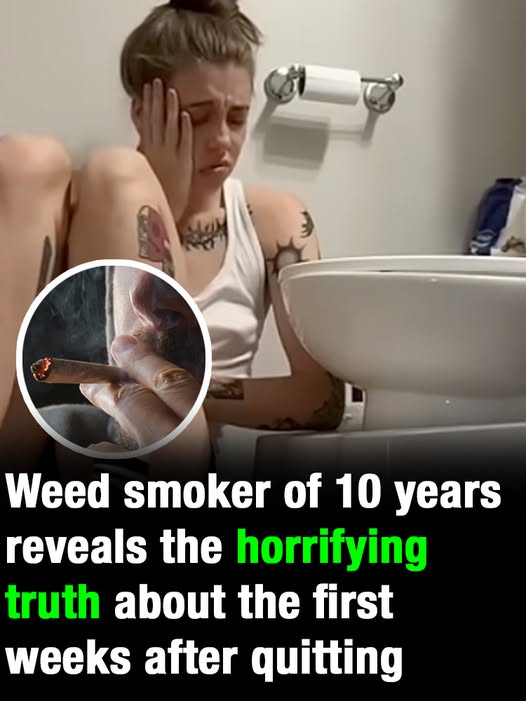
Content Creator Shares Honest Experience of Quitting Cannabis After a Decade
A Personal Decision to Step Away
Letting go of a long-standing habit can be one of the most difficult challenges a person faces. One content creator has openly shared their experience of quitting cannabis after more than ten years, offering insight into the physical and emotional effects that followed.
Bella Rose, widely known online as OnlyJayus, spoke candidly in a video about the moment they realized how deeply cannabis had become part of daily life. The decision to stop came after acknowledging the negative impact it was having.
Their story has resonated with many viewers, especially those navigating similar experiences or considering making a change.

Challenging Common Beliefs
In the video, Bella addressed a belief often discussed in conversations about cannabis use. They emphasized that, based on their own experience, the substance can become difficult to stop after long-term use.
“No matter what anyone tries to say or tell you to convince themselves… it is,” Rose said. “After ten years of smoking, I’ve finally been able to acknowledge this and decide that it’s time for me to stop.”
This perspective sparked discussion among viewers, with many reflecting on their own experiences and assumptions.

The First Week Without Cannabis
The initial days after quitting proved to be the most difficult. Bella described the first week as intense, both physically and mentally.
They explained that stopping was not as simple as some might assume. For individuals who have used cannabis frequently or over long periods, withdrawal symptoms can emerge soon after quitting.
According to information referenced in the discussion, symptoms can begin within 24 to 72 hours and may vary in intensity depending on usage patterns.
Physical and Emotional Symptoms
Bella detailed several challenges experienced during the early days of quitting. Loss of appetite was one of the most immediate changes.
“My appetite was non-existent,” they said. “I was trying to force myself to eat and it just wasn’t happening.”
Sleep difficulties also returned, despite previously feeling resolved. “My insomnia, that I thought I had beaten a year ago, came back,” Bella explained.
Low energy levels made daily activities more difficult, including exercise routines. “My energy levels were just on the floor, I couldn’t get through any of my workouts and that was extremely frustrating for me.”
In addition to physical symptoms, emotional changes were noticeable. “I was also extremely irritable, every little thing was setting me off.”
A Turning Point After the First Week
After the initial week, Bella began to notice gradual improvement. While not fully recovered, there was a shift toward feeling more stable.
They described this stage as progress, even if it did not yet feel complete. The experience highlighted how recovery can take time and may involve multiple phases.
This transition period can vary from person to person, depending on individual circumstances and past usage.
General Timeline of Recovery
The process of adjusting after quitting can differ, but improvements are often reported within a couple of weeks. Over time, symptoms such as sleep disturbances and mood changes may begin to stabilize.
By the end of the second week, many individuals start to feel stronger and more balanced as the body adapts to the absence of the substance.
This gradual improvement underscores the importance of patience during the transition.
Support from the Online Community
Bella’s openness was met with strong support from viewers. Many praised the willingness to share personal struggles and provide an honest account of the process.
Comments highlighted the effort required to step away from a long-term habit and the determination needed to continue moving forward.
“Sobriety is a flex within itself! Be proud of taking the step away of needing a substance to help you live day to day,” one viewer wrote.
Another added, “It takes insane willpower and determination to really quit something that you have been addicted to for years. If you are able to accomplish it, nothing can stop you.”
Others emphasized persistence, noting that even small steps represent meaningful progress.
The Importance of Patience and Self-Compassion
Experts suggest that individuals who choose to stop using cannabis should allow their bodies time to adjust. The process can involve both physical and emotional changes that require careful attention.
Being patient and avoiding self-criticism can make the experience more manageable. Recovery is often gradual, and progress may come in stages rather than all at once.
Seeking guidance from a healthcare professional may also be helpful, particularly for those who have used cannabis regularly for many years.
Available Support Resources
For individuals looking to quit, support systems can play a valuable role. Access to guidance and encouragement can make the process less overwhelming.
One option mentioned is a quitline, which provides free coaching over the phone. These services offer confidential support and practical advice for those working toward change.
Such resources can help individuals navigate challenges and maintain motivation throughout the process.
A Journey That Resonates
Bella Rose’s experience highlights both the difficulty and possibility of stepping away from a long-term habit. The story reflects a journey that many people can relate to, whether they are considering change or already in the process.
The honesty shared in the video has encouraged discussion and reflection, bringing attention to the realities of withdrawal and recovery.
By sharing their experience, Bella has contributed to a broader conversation about personal growth, resilience, and the effort required to make lasting changes.
Conclusion
Quitting a habit developed over many years is rarely easy. The experience often involves both physical discomfort and emotional challenges, particularly in the early stages.
However, with time, patience, and support, improvement is possible. Bella Rose’s story serves as an example of both the difficulty and the progress that can come with making such a decision.
For those considering a similar step, the journey may be challenging, but it is also a path toward greater awareness and personal change.