
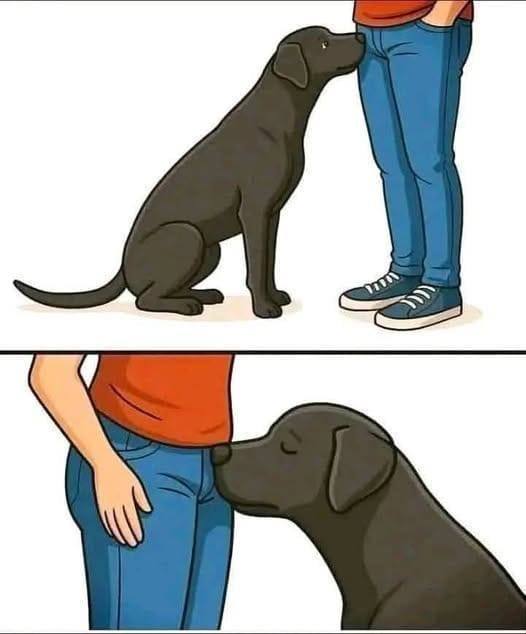
Understanding Why Dogs Sniff People and What It Reveals About Canine Behavior
The Role of Responsibility in Pet Care
Caring for an animal involves more than meeting basic needs like food and shelter. It requires attention to physical health, emotional well-being, and behavior. A responsible caregiver also takes time to understand how pets communicate and interpret the world around them.
Communication between humans and dogs goes beyond spoken commands. It includes observing body language, recognizing behavioral patterns, and learning how dogs express curiosity, comfort, and unease. These signals form the foundation of a healthy relationship.
By paying close attention to these cues, caregivers can respond more effectively and create a supportive environment that helps pets feel secure and understood.
Why Dogs Use Scent as a Primary Tool
Dogs experience their surroundings largely through their sense of smell. Their noses are highly sensitive and capable of detecting details that humans cannot perceive. This ability allows them to gather extensive information from even the smallest scent.
Every person carries unique chemical signals that communicate personal details. These signals are produced by specific sweat glands that release pheromones, which provide insight into various biological and emotional factors.
For a dog, scent functions as a form of identification and communication. It is a natural and essential part of how they interact with the world and those around them.
Understanding the Behavior of Sniffing People
When a dog approaches someone and begins sniffing, especially around private areas, it may seem awkward from a human perspective. However, this behavior is rooted in instinct rather than intention.
The areas of the human body that produce the strongest scent signals are typically located in regions such as the underarms and groin. Since dogs cannot easily access higher areas, they are naturally drawn to places where scent is more concentrated and accessible.
This behavior is not meant to be intrusive or inappropriate. Instead, it is a direct way for the dog to gather information and familiarize itself with a new person.
Sniffing as a Form of Greeting
In the canine world, scent-based interaction is a standard greeting. Dogs rely on this method to identify others, understand social cues, and assess their environment.
To a dog, sniffing someone is similar to a human introducing themselves. It is a way of learning about identity, emotional state, and even physical condition. This process happens quickly and naturally.
Rather than using words or gestures, dogs depend on their sense of smell to navigate social interactions. This makes sniffing an essential and normal part of their behavior.
Human Reactions and Social Comfort
While dogs see sniffing as routine, humans may feel uncomfortable when it occurs in certain situations. Social norms often shape how people interpret actions, and this can lead to misunderstandings about a dog’s intent.
It is important to recognize that dogs are not acting out of disrespect or mischief. Their behavior is guided by instinct and curiosity, not by an awareness of human social boundaries.
Understanding this difference helps caregivers respond with patience rather than frustration, creating a more positive experience for both the dog and those around them.
Redirecting Behavior Through Training
For those who prefer to manage or limit this behavior, training provides an effective and humane solution. Teaching alternative responses allows dogs to interact in ways that align better with human comfort.
Simple commands such as sit or stay can be used when a dog approaches someone. By redirecting attention and rewarding calm behavior, caregivers reinforce more controlled interactions.
Consistency plays a key role in training. Repeating these actions and offering positive reinforcement helps the dog understand what is expected and builds confidence over time.
The Importance of Positive Reinforcement
Dogs respond best to encouragement and rewards rather than punishment. When they are praised or given treats for appropriate behavior, they are more likely to repeat those actions.
Harsh reactions, such as scolding or physical correction, can lead to confusion or fear. Since sniffing is a natural instinct, punishment does not address the root of the behavior and may harm the relationship between the dog and caregiver.
A calm and supportive approach allows the dog to learn without stress, promoting trust and cooperation.
Recognizing When Behavior May Signal Concern
Although sniffing is generally normal, sudden or excessive changes in behavior can sometimes indicate underlying issues. Observing patterns helps determine whether the behavior remains typical or requires attention.
If increased sniffing occurs alongside changes in appetite, sleep, mood, or bathroom habits, it may be a sign of stress or a medical concern. In such cases, professional guidance can provide clarity.
Consulting with a veterinarian or experienced trainer ensures that any potential problems are addressed early, supporting the dog’s overall well-being.
The Sensory World of Dogs
Dogs interpret their environment in ways that differ significantly from humans. While people rely heavily on sight and sound, dogs depend on scent to gather information and make sense of their surroundings.
Every surface, object, and individual carries a unique scent profile. These details form a complex network of information that dogs can analyze quickly and efficiently.
This sensory perspective explains why behaviors that seem unusual to humans are completely natural and meaningful to dogs.
Strengthening the Human-Animal Bond
Learning about canine behavior fosters a deeper connection between caregivers and their pets. When people understand why dogs act in certain ways, they can respond with empathy and clarity.
This understanding builds trust and reduces frustration, creating a more harmonious relationship. Dogs feel more secure when their actions are acknowledged and guided appropriately.
Clear communication benefits both sides, allowing dogs to adapt to human environments while maintaining their natural instincts.
Creating a Supportive Environment
Dogs thrive in environments where expectations are consistent and guidance is clear. Providing structure through routines and training helps them feel confident and relaxed.
Caregivers play a central role in shaping behavior by offering direction and support. This includes teaching acceptable forms of greeting and interaction that align with household preferences.
By setting boundaries in a positive way, caregivers can balance natural instincts with social expectations.
The Social Nature of Dogs
Dogs are inherently social animals that seek connection and interaction. Their behaviors are often driven by a desire to engage with others and understand their surroundings.
Sniffing is one of the ways dogs initiate contact and gather information. It reflects their curiosity and willingness to connect rather than any intention to cause discomfort.
Recognizing this social motivation helps caregivers interpret actions more accurately and respond with patience.
Encouraging Healthy Communication
Effective communication with dogs involves both teaching and listening. While commands provide structure, observing behavior offers insight into a dog’s needs and emotions.
Encouraging appropriate forms of interaction ensures that dogs can express themselves while respecting human comfort levels. This balance supports a positive and cooperative relationship.
Over time, consistent communication strengthens mutual understanding and reduces confusion.
Balancing Instinct and Training
Dogs rely on instinct to navigate their world, but they also have the ability to learn and adapt. Training allows caregivers to guide natural behaviors in ways that fit human environments.
Rather than eliminating instinctive actions, training focuses on redirecting them into acceptable alternatives. This approach respects the dog’s nature while promoting harmony.
Maintaining this balance is essential for long-term success in managing behavior.
Promoting Confidence and Comfort
Confidence plays a significant role in how dogs interact with people. Well-trained dogs are more likely to approach situations calmly and respond to guidance effectively.
Positive reinforcement and consistent routines help build this confidence. As dogs become more comfortable, they are less likely to engage in overly eager or intrusive behaviors.
This leads to smoother interactions and a more relaxed atmosphere for both the dog and those around them.
A Natural Expression of Connection
At its core, sniffing is a simple and natural expression of curiosity and connection. It allows dogs to learn about others and establish familiarity in a way that feels intuitive to them.
While humans may interpret this behavior differently, understanding its purpose provides valuable perspective. It is not an act of embarrassment or misbehavior but a reflection of how dogs communicate.
Recognizing this helps caregivers approach the behavior with understanding rather than discomfort.
Conclusion
Understanding why dogs sniff people offers insight into the broader world of canine behavior. It highlights the importance of scent, instinct, and communication in shaping how dogs interact with their environment.
With patience, training, and awareness, caregivers can guide this behavior in a way that respects both the dog’s nature and human comfort. This creates a balanced and supportive relationship built on trust.
Ultimately, sniffing is just one of many ways dogs connect with the world and the people around them, reflecting their natural desire to engage, learn, and form bonds.