
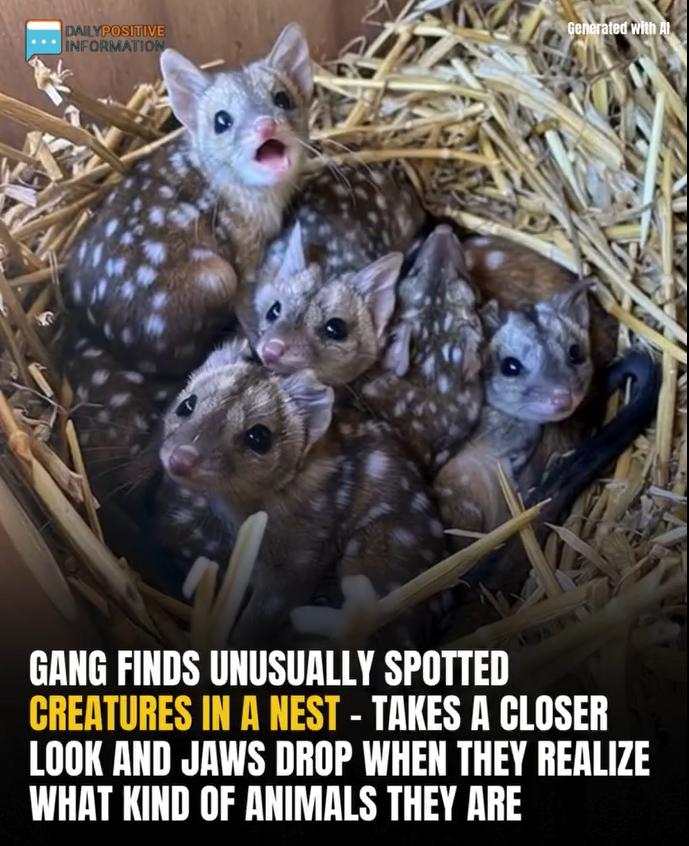
Young Western Quolls Born in the Wild Mark Major Conservation Breakthrough in Australia
A Native Predator Once on the Brink
For many decades, one of Australia’s native carnivorous marsupials faced a steady decline that pushed the species dangerously close to extinction. Habitat loss, invasive predators, and environmental changes drastically reduced its numbers across the continent.
Now, conservationists have received encouraging news that signals a potential turning point. The birth of young western quolls in the wild suggests that years of conservation work may finally be restoring this threatened species.
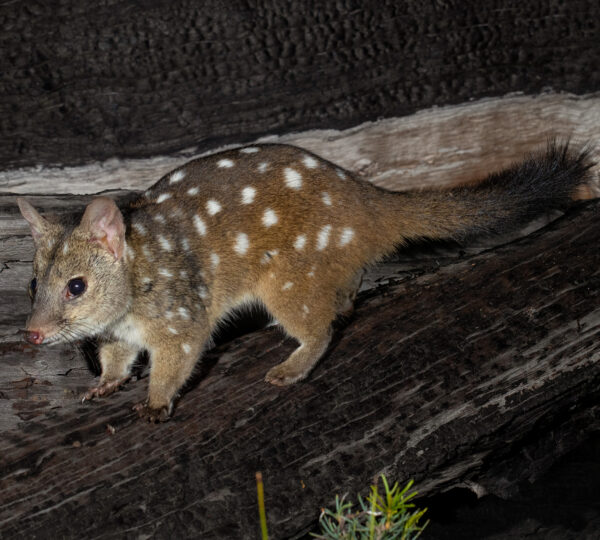
The western quoll, also known locally as the chuditch, is a carnivorous marsupial native to Australia. Historically, the species inhabited large areas of the mainland before its population declined dramatically following European settlement.
About the size of a domestic cat, the western quoll is an agile predator that feeds on insects, reptiles, and small mammals. This diet places the animal in an important ecological role, helping maintain balance within its ecosystem.
A Dramatic Population Decline
By the early twentieth century, western quolls had disappeared from most of their historical range. The species managed to survive only in small and isolated populations located in the southwestern region of Western Australia.
Several factors contributed to this dramatic decline. Habitat destruction caused by land clearing significantly reduced the quoll’s natural environment.
At the same time, introduced predators such as feral cats and foxes placed enormous pressure on native wildlife. These invasive species proved particularly dangerous for small and medium-sized marsupials.
Competition from introduced animals and environmental changes further complicated the survival of the western quoll. As a result, the species was classified as vulnerable under national environmental protection laws.
Conservationists recognized that without active intervention, the western quoll could disappear entirely from many regions of Australia.
The Role of Mount Gibson Wildlife Sanctuary
One of the most significant conservation efforts for the species has taken place at Mount Gibson Wildlife Sanctuary in Western Australia.
The sanctuary covers approximately 1,305 square kilometers within the Wheatbelt region, located about 350 kilometers northeast of Perth.
Originally used as a grazing property, the landscape has been transformed into a protected conservation reserve dedicated to preserving Australia’s threatened wildlife.
Today the sanctuary supports large areas of natural vegetation and diverse plant life. These habitats provide essential resources for native animals.
Equally important is the sanctuary’s ongoing predator management program, which reduces threats from feral cats and foxes.
Reintroducing Lost Species
In 2016, conservationists began an ambitious project aimed at restoring species that had disappeared from the region.
The initiative initially focused on reintroducing smaller mammals into the protected environment. As the program progressed, ecologists expanded their efforts to include carnivorous species such as the western quoll.
Carefully managed translocation programs moved quolls from breeding facilities and existing wild populations into the sanctuary.
Many of these animals were released into secure fenced areas designed to keep invasive predators out.
Within this protected habitat, the quolls could establish territories, hunt for food, and adapt to their surroundings under careful monitoring.
Monitoring Wildlife Through Technology
Wildlife monitoring has played a crucial role in evaluating the success of the reintroduction program.
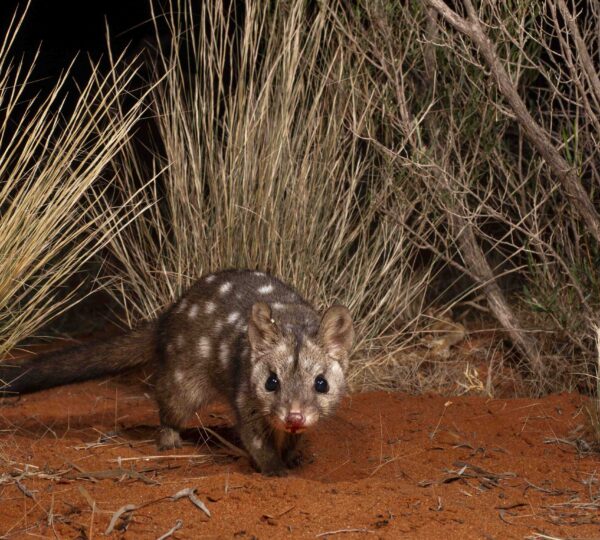
Ecologists rely heavily on motion-activated camera traps to observe animal activity across the sanctuary.
These devices capture photographs and videos whenever wildlife passes by, allowing researchers to track movements without disturbing the animals.
By analyzing the footage, scientists can identify individual animals, observe behavior, and monitor breeding activity.
This technology has become a valuable tool for understanding how reintroduced species adapt to their environment.
A Remarkable Discovery
In late 2023 and continuing into 2024, camera trap footage revealed an exciting development.
Young western quolls were spotted moving through the sanctuary landscape.
The presence of these juveniles provided clear evidence that the reintroduced adults were not only surviving but successfully breeding.
For conservationists, this discovery marked the first confirmed wild-born quoll pups at Mount Gibson Wildlife Sanctuary in more than a century.
This milestone represented a major achievement for the restoration project.
The Curious Case of the Empty Traps
The first hint that young quolls might be present came from an unusual observation made by field researchers.
Several traps used for monitoring invasive cats were found closed with bait missing, yet no animal had been captured inside.
Researchers initially wondered what might be responsible for triggering the traps without being caught.
Camera footage soon revealed the explanation.
Juvenile quolls had been entering the traps, taking the bait, and escaping thanks to their small size.
The clever behavior immediately caught the attention of the research team.
Identifying Individual Quolls
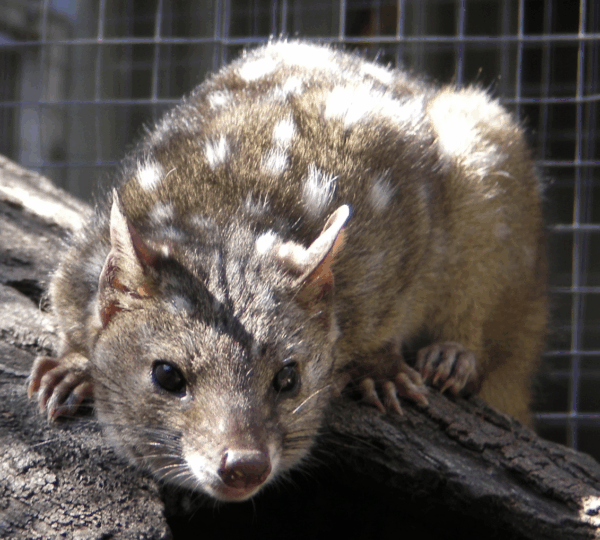
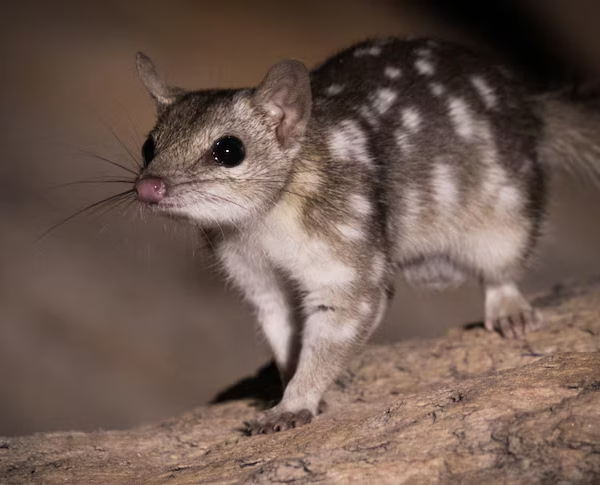
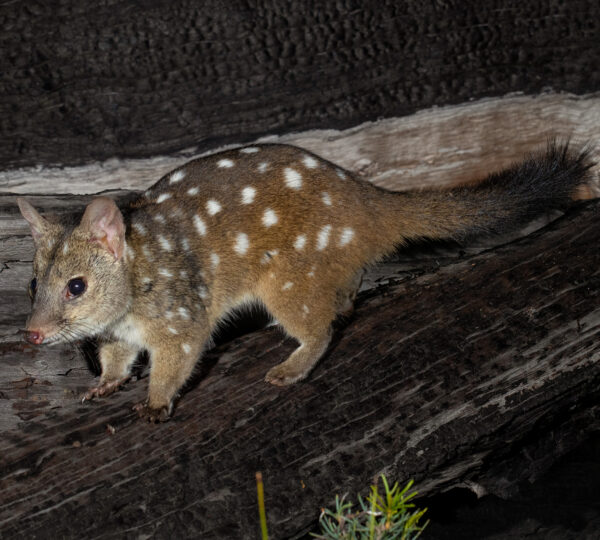
Western quolls have distinctive white spots scattered across their dark fur.
These patterns are unique to each individual and can be used by researchers to identify animals in camera footage.
By carefully comparing these patterns, scientists confirmed that the young quolls were indeed offspring of the adults released at the sanctuary.
The discovery confirmed that the animals had successfully reproduced within their restored habitat.
This confirmation provided strong evidence that the population was beginning to establish itself.
Understanding the Quoll Life Cycle
Western quolls are seasonal breeders with a specific reproductive cycle.
Mating typically occurs between late April and July.
After mating, female quolls give birth to litters that usually contain between two and six young.
The tiny newborns spend their earliest weeks developing inside the mother’s pouch.
As they grow stronger, the young begin to emerge from the pouch and explore their surroundings.
Eventually they leave their mother’s care and begin hunting independently.
Signs of a Growing Population
The discovery of several independent young quolls at Mount Gibson indicates more than a single successful breeding event.
Researchers estimate that at least four juveniles were living independently within the sanctuary.
This suggests that the animals are adapting well and that reproduction is occurring successfully in the restored environment.
The presence of young individuals is a key indicator that a wildlife population may become self-sustaining.
For conservationists, this development represents an important step toward long-term recovery.
Ongoing Monitoring and Research
Scientists continue to closely monitor the quoll population through a variety of research methods.
Radio tracking devices help researchers follow individual animals as they move through the landscape.
Camera surveys provide additional information about behavior, habitat preferences, and interactions with other species.
Ecological studies also examine how the quolls use shelter, hunt for prey, and navigate their environment.
The data collected from these observations helps guide future conservation decisions.
Other Reintroduction Efforts Across Australia
The success at Mount Gibson follows similar conservation programs in other parts of Australia.
In the Flinders Ranges of South Australia, reintroduced quolls have also successfully reproduced.
These programs demonstrate that the species can adapt and breed in regions where it had previously disappeared.
Each successful reintroduction provides valuable insights into how best to support the species.
Over time, these efforts may allow western quolls to return to more of their historic range.
The Importance of Genetic Diversity
Maintaining genetic diversity is a crucial part of wildlife recovery programs.
To achieve this goal, conservationists often relocate animals from different populations.
At Mount Gibson, quolls have been introduced from multiple regions, including Western Australia and breeding programs in New South Wales.
This mixture of genetic backgrounds strengthens the population and reduces the risk of inbreeding.
Greater genetic diversity also improves resilience against disease and environmental change.
Creating Safe Habitat for Native Species
A key feature of the Mount Gibson conservation program is its predator-free fenced area.
This protected zone covers roughly 7,838 hectares and serves as a secure habitat for vulnerable wildlife.
Within this area, native animals can thrive without constant pressure from invasive predators.
Some quolls have also been released beyond the fenced area, where predator control measures are maintained.
This approach allows researchers to observe how the animals adapt to more natural conditions.
Restoring Ecological Balance
The return of western quolls is part of a broader effort to restore entire ecosystems.
The sanctuary has reintroduced multiple mammal species that once disappeared from the region.
Each species plays a unique role in maintaining ecological balance.
Small digging mammals help aerate soil and disperse seeds, while predators such as quolls regulate populations of smaller animals.
Together these interactions help rebuild healthy and functioning ecosystems.
A Symbol of Conservation Success
The birth of young quolls at Mount Gibson has generated excitement among conservationists and wildlife enthusiasts.
It demonstrates that long-term restoration programs can produce meaningful results.
Years of research, habitat management, and predator control have created conditions that allow native wildlife to return.
The milestone also highlights the importance of cooperation between scientists, conservation organizations, local communities, and land managers.
Such partnerships are essential for protecting biodiversity in the future.
Looking Toward the Future
The coming years will be critical as the quoll population continues to grow.
Young individuals will mature, reproduce, and potentially expand into new areas.
Each new generation strengthens the possibility that the species will once again thrive across parts of its former range.
Although challenges remain, the success at Mount Gibson offers renewed optimism.
The return of western quolls to this landscape demonstrates that dedicated conservation efforts can help prevent species extinction.
In a time when wildlife loss is a global concern, the recovery of the western quoll serves as a powerful reminder that positive change is possible.