
Understanding Swollen Feet in Older Adults: Causes, Risk Factors, and Ways to Reduce Discomfort
A Common Concern Among Older Adults
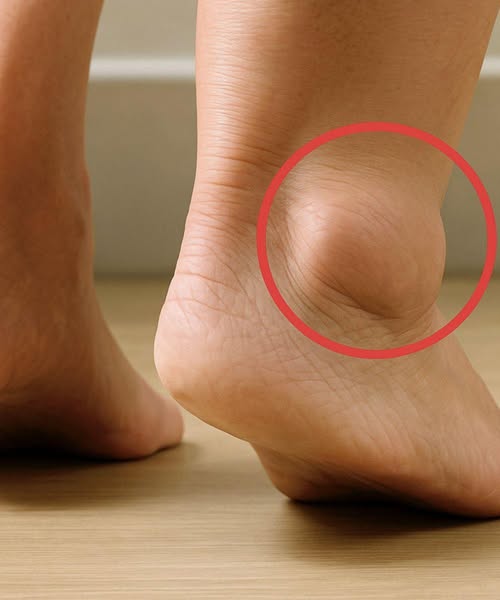
Swelling in the feet is a frequent concern for many older adults. While mild swelling may appear occasionally after a long day of standing or sitting, repeated or persistent swelling can sometimes indicate underlying health issues.
This condition, commonly known as edema, occurs when excess fluid collects in the tissues of the lower legs and feet. Although it may seem minor at first, swelling can affect comfort, balance, and mobility if it continues over time.
For many individuals, recognizing the causes and learning practical ways to reduce swelling can help maintain overall well-being and physical independence.
What Is Edema?
Edema is the medical term used to describe swelling caused by fluid accumulation in body tissues. It most often affects the feet, ankles, and lower legs because gravity naturally pulls fluid toward the lowest parts of the body.
As people age, the body’s circulatory system may gradually lose some of its efficiency. This change can make it more difficult for fluid to move smoothly through the body.
When circulation slows or becomes less effective, fluid may begin to collect in certain areas, particularly in the lower extremities. This process can lead to visible swelling, tightness in the skin, and a feeling of heaviness in the feet.

Poor Circulation as a Major Cause
One of the most common reasons older adults experience swollen feet is reduced circulation. Blood vessels and muscles work together to move blood throughout the body, but these systems may become less efficient over time.
When blood flow slows down, fluid can begin to accumulate in the feet and ankles. This buildup may be especially noticeable after long periods of sitting or standing.
For example, individuals who spend extended hours sitting in a chair, watching television, or traveling may notice their feet swelling by the end of the day.
Similarly, standing for long stretches without movement can also cause fluid to pool in the lower legs.
Chronic Venous Insufficiency
Another potential cause of swollen feet is chronic venous insufficiency. This condition develops when the veins in the legs struggle to send blood back toward the heart.
Healthy veins contain small valves that help direct blood upward through the circulatory system. When these valves weaken or become damaged, blood may begin to collect in the lower legs.
This pooling of blood can lead to swelling, aching, and sometimes visible changes in the skin around the ankles. Over time, the discomfort associated with this condition may become more noticeable.
Although chronic venous insufficiency can affect people of various ages, it tends to become more common as individuals grow older.
The Role of Medications
Certain medications may also contribute to swelling in the feet and ankles. Some drugs used to manage chronic health conditions can lead to fluid retention as a side effect.
Medications prescribed for high blood pressure, diabetes, inflammation, and hormonal conditions may occasionally cause this type of swelling.
When the body retains extra fluid, it often collects in the lower extremities. For some individuals, this may appear as puffiness or tightness around the ankles.
Because medications can affect people differently, monitoring changes in swelling after starting a new prescription may be helpful in identifying potential causes.

Underlying Health Conditions
In certain cases, swollen feet may be linked to broader health concerns. The body relies on several organs to maintain proper fluid balance, and problems affecting these systems can sometimes lead to fluid buildup.
Heart disease, kidney disease, and liver problems may influence how the body manages fluids. When these systems are not functioning normally, excess fluid may accumulate in the legs and feet.
This type of swelling often develops gradually, although it can sometimes appear suddenly depending on the condition involved.
Understanding the possible connection between swelling and underlying health issues can help individuals recognize when additional medical evaluation may be needed.
Lifestyle Factors That May Increase Swelling
Daily habits can also play a role in the development of swollen feet. A sedentary lifestyle, for example, may reduce circulation and encourage fluid retention.
Physical movement helps stimulate blood flow throughout the body. Without regular activity, fluid can begin to collect in the lower legs more easily.
Extended periods of sitting can have a similar effect. Long car rides, airplane travel, or spending many hours seated may contribute to swelling in the feet and ankles.
Another contributing factor is diet. Consuming large amounts of salt can encourage the body to retain water.
Sodium causes the body to hold onto fluid, which can increase swelling in the lower extremities. Over time, consistently high salt intake may make edema more noticeable.
Weight and Circulation
Body weight can also influence the likelihood of swollen feet. Carrying excess weight places additional pressure on the veins in the legs.
This pressure may make it more difficult for blood to move efficiently back toward the heart. When circulation slows, fluid may collect in the feet and ankles.
For many individuals, maintaining a healthy weight can support improved circulation and reduce the risk of fluid retention in the lower extremities.
The Importance of Regular Movement
One of the most effective ways to prevent or reduce swelling is through regular movement. Even gentle activity can help stimulate circulation and encourage fluid to move through the body.
Walking is one of the simplest and most accessible forms of exercise. Short walks throughout the day can help prevent fluid from settling in the lower legs.
Light stretching or simple leg exercises may also improve blood flow and reduce the likelihood of swelling.
For older adults who spend significant time sitting, standing up and moving around periodically can make a meaningful difference.
Elevating the Feet
Another simple strategy involves elevating the feet for short periods. Raising the feet above heart level can help fluid drain away from the lower legs.
Many people find that resting with their legs elevated for 15 to 30 minutes helps reduce swelling and relieve discomfort.
This practice may be particularly helpful after a long day of standing or walking.
Regularly elevating the feet can support healthy circulation and minimize fluid accumulation.
Choosing Supportive Footwear
Footwear also plays an important role in foot health. Shoes that fit properly and provide adequate support can help reduce pressure on the feet.
Comfortable footwear allows the muscles and blood vessels in the feet to function more effectively.
Poorly fitting shoes, on the other hand, may restrict circulation and contribute to swelling.
Selecting supportive footwear can improve comfort and help maintain proper blood flow in the lower extremities.
Compression Socks and Circulation
Compression socks are another helpful tool for managing swollen feet. These specially designed garments apply gentle pressure to the legs.
This pressure supports the veins and encourages blood to flow back toward the heart.
Compression socks may be particularly beneficial for individuals who spend long periods sitting or standing.
By promoting circulation, these socks can help reduce fluid buildup and prevent swelling from becoming more severe.
The Role of Nutrition
Diet can significantly influence fluid balance in the body. Reducing sodium intake is often one of the most effective ways to limit fluid retention.
Limiting highly salted foods may help decrease swelling in the feet and ankles.
At the same time, eating foods rich in potassium may support healthy fluid balance.
Foods such as bananas, leafy greens, and avocados contain potassium, which helps regulate the body’s fluid levels.
A balanced diet that includes a variety of nutrients can support both circulation and overall health.
When Medical Attention May Be Needed
Occasional swelling in the feet is usually not a cause for concern. However, certain situations may require medical evaluation.
Swelling that appears suddenly, becomes severe, or occurs alongside symptoms such as pain, redness, or shortness of breath should be assessed by a healthcare professional.
These symptoms may indicate a more serious underlying condition that requires prompt attention.
Regular health checkups can also help identify potential issues early and provide guidance for managing swelling effectively.
Maintaining Foot Health Over Time
Healthy feet play an essential role in maintaining mobility and independence as people age. Swelling can make walking uncomfortable and may affect balance if it becomes persistent.
Fortunately, many cases of swollen feet can be managed through simple lifestyle adjustments and attention to circulation.
Regular movement, supportive footwear, balanced nutrition, and awareness of potential risk factors can all contribute to healthier feet.
By understanding why swelling occurs and taking preventive steps, older adults can continue to enjoy comfortable movement and an active lifestyle.