
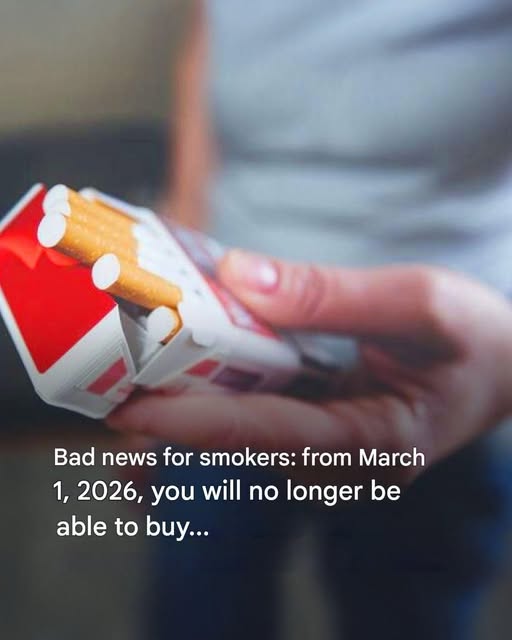
How Cigarette Prices Are Set in France and Why They Continue to Rise
Long-Term Policy Behind Rising Tobacco Prices
The cost of cigarettes in France has steadily climbed over the past several years. This upward trend is closely linked to government strategies designed to reduce tobacco consumption across the country.
Increasing the price of tobacco products has become a central tool in national public health efforts. By making cigarettes more expensive, authorities aim to discourage smoking and reduce the number of people who purchase tobacco products.
This approach has been applied consistently through financial legislation and regulatory measures. Each price adjustment forms part of a broader long-term strategy intended to limit tobacco use and encourage healthier choices.
As a result, cigarette prices in France today are significantly higher than they were two decades ago. The gradual increases reflect a deliberate policy direction that has continued over many years.
How Tobacco Prices Are Proposed and Approved
The retail price of tobacco products does not originate with retailers. Instead, the process begins with manufacturers or importers who determine an initial price proposal for their products.
This proposed price is calculated using several factors. Companies include the cost of producing cigarettes, expenses related to transportation and distribution, and the commercial margins involved in bringing the product to market.
Mandatory taxes are also incorporated into the proposed price structure. Because taxation represents a major portion of the final cost, it plays a crucial role in determining how much consumers ultimately pay.
However, manufacturers and importers cannot simply decide the final price themselves. Once a proposal has been created, it must be reviewed and approved by French authorities.
The Directorate General of Customs and Indirect Taxes is responsible for verifying that proposed prices comply with national regulations. Only after this approval process can the price become official.
Once validated, the retail price is established nationwide. The approved price must be applied consistently throughout the country.
Uniform Pricing Across the Country
Unlike many other consumer products, tobacco prices in France are strictly regulated. Retail sellers are not allowed to determine their own prices for cigarettes.
This means tobacconists cannot introduce price variations between stores. A pack of cigarettes must be sold at the same official price regardless of where it is purchased.
Promotions and discounts are also prohibited for tobacco products. Retailers cannot offer temporary deals, price reductions, or loyalty programs related to cigarette sales.
The goal of this uniform pricing system is to maintain consistency in tobacco regulation and prevent competition based on lower prices.
By eliminating promotional strategies, authorities aim to ensure that the price remains a stable deterrent against tobacco consumption.
This strict control over pricing reflects the broader framework used to regulate the tobacco market in France.
The Three Main Elements of a Cigarette’s Price
The final retail price of a pack of cigarettes is made up of three primary components. These include the manufacturer’s share, the margin earned by tobacconists, and taxes imposed by the state.
Each of these elements contributes to the final price consumers see at the point of sale.
Manufacturers receive a relatively small portion of the retail price. On average, their share represents roughly 15 percent of the total cost of a pack.
This portion covers production expenses, logistics, distribution networks, and corporate operations involved in bringing tobacco products to market.
Tobacconists, who serve as the retail distributors of cigarettes, receive a margin for selling these products. Their earnings typically represent between 8 percent and 10 percent of the retail price.
This margin compensates retailers for operating costs and the role they play in distributing tobacco products to consumers.
However, the largest portion of the price does not go to manufacturers or retailers. The majority of the cost comes from taxes applied by the government.
The Dominant Role of Taxation
Taxes account for a significant share of cigarette prices in France. In most cases, taxation represents approximately 75 percent to 80 percent of the total retail price of a pack.
This high level of taxation reflects the government’s long-standing approach to tobacco control.
Two major types of taxes contribute to this amount. These are excise duties and value-added tax.
Excise duties form the largest part of tobacco taxation. These duties are specifically designed for products such as tobacco and are used as a regulatory tool.
Value-added tax is another component included in the retail price. Like other consumer goods, tobacco products are subject to this tax.
The combined effect of these taxes significantly increases the final price of cigarettes for consumers.
Adjustments to these taxes are made through financial legislation introduced by the government.
How Excise Duty Is Calculated
Excise duty on tobacco products is calculated primarily based on the quantity of tobacco produced or imported. This means the tax does not rely solely on the retail value of the product.
Instead, the system uses a mixed calculation method.
This formula combines two elements: a percentage of the retail price and a fixed amount applied to a specific quantity of tobacco.
Both parts of the calculation contribute to determining the final excise duty.
If the calculated amount falls below the minimum tax level established by the state, the minimum amount is applied instead.
This mechanism ensures that tobacco products remain subject to a minimum level of taxation regardless of pricing variations.
By maintaining a minimum threshold, authorities ensure that cigarettes cannot be sold at significantly lower prices.
The Impact of Value-Added Tax
In addition to excise duties, tobacco products in France are also subject to value-added tax. This tax is incorporated directly into the final retail price paid by consumers.
Value-added tax applies to a wide range of goods and services, and tobacco products are included within this framework.
When combined with excise duties, this tax further increases the total price of cigarettes.
Because both forms of taxation are included in the retail price, consumers pay these taxes automatically when purchasing tobacco products.
The presence of these taxes reinforces the broader strategy aimed at discouraging tobacco consumption.
Current Cigarette Prices in France
By January 2026, the average price of a pack of 20 cigarettes in France reached approximately 12.50 to 13 euros.
Prices vary slightly depending on the brand. Some premium brands exceed 13.50 euros per pack.
Lower-priced options remain slightly below this level, although they still reflect the overall upward trend in tobacco pricing.
These figures illustrate the substantial increase in cigarette prices that has occurred over the past several years.
The rising cost is largely the result of successive tax adjustments introduced through government policy.
Price Growth Over Two Decades
The increase in cigarette prices becomes even more striking when viewed over a longer period.
In the early 2000s, a pack of cigarettes in France cost around three euros.
Over the course of two decades, that price has risen to approximately thirteen euros.
This represents a dramatic increase and reflects the consistent implementation of anti-tobacco policies.
Each step in this price growth has formed part of a wider strategy designed to discourage smoking.
Through tax adjustments and strict pricing regulation, authorities have steadily raised the financial barrier to purchasing tobacco products.
A Strategy Focused on Reducing Tobacco Use
The continued increase in cigarette prices is not accidental. It reflects a deliberate policy aimed at reducing tobacco consumption across the population.
By maintaining strict control over pricing and taxation, the government ensures that cigarettes remain costly.
This approach is intended to influence purchasing behavior and encourage smokers to reconsider tobacco use.
Over time, rising prices have become one of the most visible elements of France’s public health strategy.
Combined with regulatory measures and taxation policies, these price increases form part of a long-term effort to limit the prevalence of smoking.
The current pricing structure demonstrates how taxation, regulation, and national policy work together to shape the tobacco market in France.