
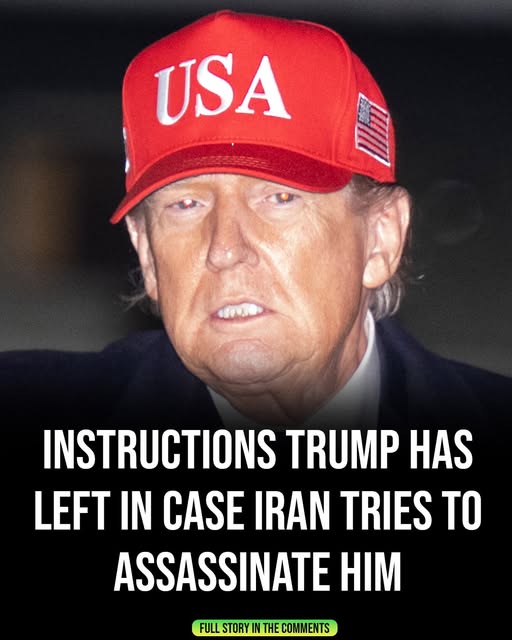
Escalating Military Confrontation Between the United States, Israel, and Iran Reshapes Middle Eastern Geopolitics
A Rapidly Intensifying Crisis
In early 2026, tensions between the United States, Israel, and Iran escalated dramatically, setting off a chain of military confrontations that have shaken the Middle East and captured global attention. The unfolding crisis has triggered widespread concern about regional stability, energy security, and the potential for a broader conflict.
The latest developments include coordinated military actions, retaliatory attacks, and growing diplomatic pressure from governments around the world. The scale and intensity of the events have transformed an already fragile geopolitical landscape.
At the center of the crisis are joint military strikes conducted by U.S. and Israeli forces against targets inside Iran. The operation has been described as one of the most consequential escalations in the long-running tensions surrounding Iran’s nuclear ambitions and regional influence.
These events have sparked a series of retaliatory actions and intensified fears that the conflict could expand beyond its current scope.
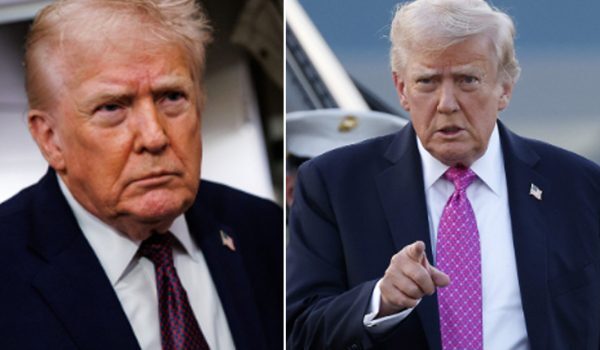
Coordinated Military Operations Inside Iran
In late February 2026, U.S. and Israeli forces launched a coordinated air campaign targeting strategic locations within Iran. Officials described the operation as a precision effort aimed at critical leadership and infrastructure sites.
Reports from multiple sources indicated that the campaign included strikes designed to disrupt command structures and key facilities. The attacks marked a significant shift in the scale of direct military action involving Iran.
One of the most dramatic developments followed shortly after the strikes began. Iranian state media confirmed that Supreme Leader Ayatollah Ali Khamenei had been killed during a targeted strike in Tehran.
The reported death of Khamenei sent shockwaves throughout the region. As a central figure in Iran’s political and religious leadership for decades, his role had shaped the country’s policies and international relationships.
The sudden loss of such a prominent leader has introduced uncertainty within Iran’s internal political structure while also influencing the strategies of allies and adversaries across the region.
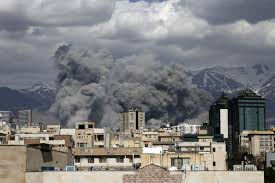
Immediate Regional Repercussions
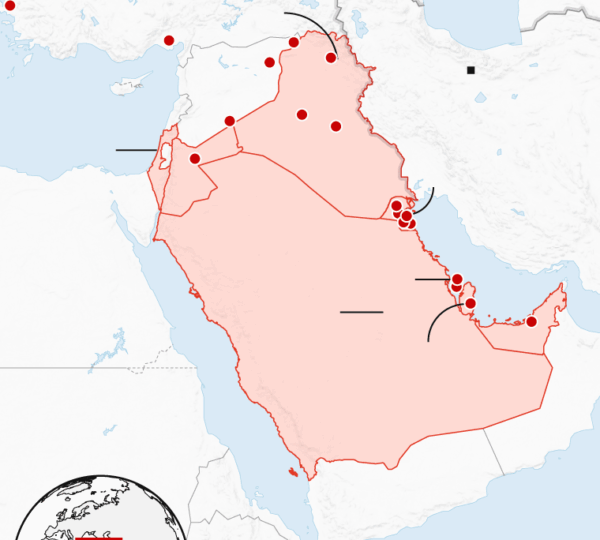
The aftermath of the strikes triggered swift and widespread retaliation from Iran. Missile and drone attacks were launched against numerous targets across the Middle East.
Among the areas targeted were Israeli cities, including Tel Aviv and Jerusalem. Sirens sounded across major urban centers as air defense systems moved to intercept incoming projectiles.
Additional strikes were directed at U.S. military installations and allied facilities in Gulf nations. Bases and positions in countries such as Qatar and Bahrain were placed on high alert as defense systems worked to intercept the attacks.
Diplomatic facilities also became potential targets. Reports indicated that the U.S. consulate in Dubai was among the locations affected during the wave of retaliatory actions.
Beyond these direct strikes, civilian infrastructure and maritime routes near the Strait of Hormuz faced significant threats as missile and drone activity spread across the region.
Air Defenses and Ongoing Exchanges
Regional air defense systems intercepted many of the missiles and unmanned aerial vehicles launched during the retaliation. Despite these efforts, hundreds of projectiles still created serious risks for both civilians and military personnel.
Urban populations in several areas experienced repeated warning sirens and emergency shelter orders. The ongoing exchanges have heightened fears of further escalation.
Military forces across the region have remained on high alert as both sides continue to monitor developments and respond to potential threats.
With the conflict entering its second week in early March 2026, the situation remains fluid and unpredictable.
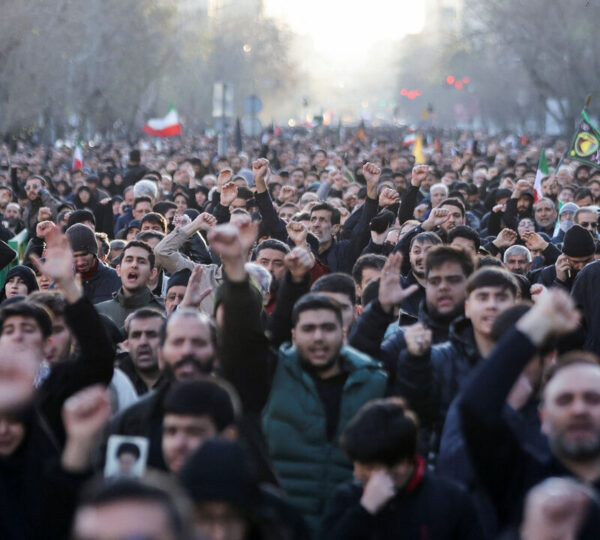
Casualties and Growing Human Impact
As the confrontation continues, reports of casualties and damage are steadily increasing. Early estimates indicate that hundreds of deaths have occurred in Iran during the initial phase of the conflict.
Additional casualties have been reported in Israel, Gulf states, and among U.S. military personnel stationed in the region.
Civilian communities have faced the greatest disruption. Cities across several countries have experienced missile alerts, infrastructure damage, and widespread fear.
Hospitals and humanitarian organizations are working under intense pressure as they respond to injuries and emergency situations created by the ongoing attacks.
Displacement has also begun to emerge as a concern in areas where residents fear additional strikes.
Global Economic Consequences
The conflict has produced immediate economic repercussions far beyond the Middle East. One of the most significant impacts involves the Strait of Hormuz, a vital maritime corridor through which a large portion of the world’s oil supply passes.
Shipping activity through the strait has slowed dramatically due to safety concerns and the presence of military activity in surrounding waters.
As a result, global oil prices have surged, creating ripple effects across international markets. Rising energy costs are already affecting transportation, manufacturing, and household expenses in numerous countries.
Air travel has also been disrupted. Airlines have canceled or rerouted flights that would normally pass through regional airspace.
Trade and supply chains are facing additional pressure as businesses attempt to adapt to the uncertainty created by the ongoing conflict.
Political Context and Previous U.S. Statements
The confrontation has also drawn renewed attention to earlier remarks made by President Donald Trump during 2025 regarding Iran and U.S. policy toward the country.
During that period, the administration implemented a strategy widely described as “maximum pressure,” designed to intensify economic and diplomatic measures against Tehran.
The approach aimed to push Iran toward negotiations related to its nuclear program and regional activities.
In February 2025, during a White House press briefing, Trump was asked how the United States would respond if Iran attempted a direct attack against him.
He responded by stating that such an action would result in a “catastrophic” reaction from the United States.
His comments emphasized deterrence and were framed as a warning that any hostile act targeting U.S. leadership or interests would provoke a powerful response.
At that time, no verified evidence indicated that Iran had communicated any specific assassination plan.
Longstanding Tensions Over Nuclear Policy
The roots of the current crisis extend back decades. Relations between the United States and Iran have remained strained over disputes involving nuclear development, ballistic missile programs, and regional influence.
A major attempt to address the nuclear issue came with the 2015 Joint Comprehensive Plan of Action, an agreement intended to limit Iran’s nuclear activities in exchange for sanctions relief.
In 2018, the United States withdrew from the agreement, arguing that its provisions did not sufficiently address long-term concerns.
Following the withdrawal, sanctions and diplomatic pressure intensified. The 2025 policy of increased pressure continued that trajectory.
Proxy Conflicts and Regional Alliances
Iran’s relationships with various groups across the Middle East have long complicated regional dynamics. Alliances with organizations such as Hezbollah in Lebanon and Shiite militias in Iraq have created persistent points of tension.
These relationships have sometimes led to localized confrontations that expanded into broader conflicts involving multiple actors.
The current crisis reflects this pattern, as groups aligned with Iran have participated in or responded to developments across several territories.
The interconnected nature of these alliances has increased the risk that hostilities could spread further.
Previous Flashpoints Between the United States and Iran
Earlier incidents had already demonstrated the fragile nature of relations between Washington and Tehran.
One of the most notable moments occurred in 2020 when Iranian General Qasem Soleimani was killed during a U.S. drone strike.
That event triggered immediate retaliation and heightened tensions across the region.
Although the situation eventually stabilized, the confrontation revealed how quickly hostilities could escalate between the two countries.
The events unfolding in 2026 represent the most intense phase of conflict since that earlier crisis.
International Reactions and Diplomatic Efforts
Governments around the world have called for restraint as military operations continue. Leaders in Europe and the Arab world have expressed concern about the humanitarian consequences and the possibility of further destabilization.
Several countries have issued travel warnings and evacuation advisories for citizens located in affected areas.
Some governments have also temporarily closed portions of their airspace to reduce risks to commercial aviation.
Diplomatic initiatives are underway, though progress has been limited while hostilities remain active.
Major global powers have urged dialogue and emphasized the importance of preventing further escalation.
An Uncertain Path Ahead
As of early March 2026, the situation remains volatile. Military activity continues across multiple fronts, including aerial bombardments, missile exchanges, and proxy engagements.
Analysts warn that the conflict could either intensify or gradually shift toward negotiations if diplomatic channels reopen.
However, the absence of clear communication mechanisms between opposing sides complicates efforts to reduce tensions.
Leaders involved in the conflict maintain that their actions are intended to protect national interests and security.
At the same time, international observers continue urging restraint and renewed dialogue.
A Defining Moment in Global Affairs
The confrontation between the United States and Iran in 2026 represents one of the most significant geopolitical crises in recent years.
The combination of military action, leadership changes, and economic disruption has created a moment of profound uncertainty for the Middle East and the wider world.
Decades of disputes over nuclear ambitions, regional alliances, and political influence have culminated in a situation that now carries global consequences.
As nations monitor developments and diplomatic efforts continue, the outcome of this crisis will likely shape international security and regional politics for years to come.
The coming weeks will determine whether the conflict expands further or moves toward a fragile path of de-escalation.