

Christina Applegate: From a Turbulent Childhood to Resilient Strength
A Beginning Marked by Instability
Long before awards, red carpets, and critical acclaim, Christina Applegate’s life began in circumstances shaped by instability and emotional upheaval. Born in 1971 into a family already immersed in the entertainment industry, she entered a world that was anything but calm.
Her father, Bobby, worked as a television producer, while her mother, Nancy Priddy, built a career as an actress with appearances in series including Bewitched, The Waltons, and The Young and the Restless. Despite these professional ties to Hollywood, stability at home proved elusive.
Her parents separated shortly after her birth. As a result, her father gradually became less present in her everyday life, creating a distance that lingered for years.
“I didn’t get to spend the kind of time with him that I think either he or I would have liked.”
The separation was only one part of a far more complicated upbringing that would leave deep emotional imprints.
Life in Laurel Canyon
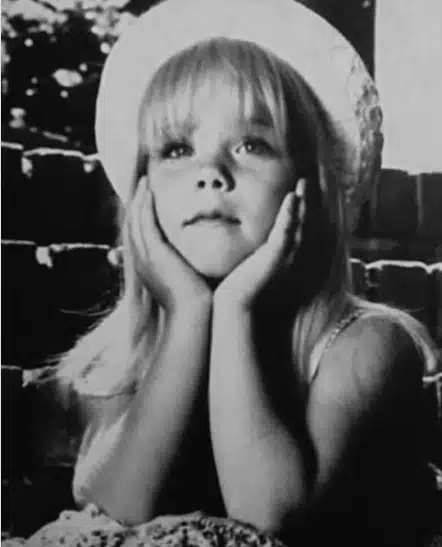
Applegate grew up in Laurel Canyon, a Los Angeles neighborhood often romanticized as a haven for artists and counterculture icons. While the area carried a reputation for creativity and freedom, her childhood experience was marked by neglect and unpredictability.
She has spoken candidly about the presence of addiction and instability in her home. Exposure to substance abuse and volatile relationships shaped her early understanding of the world.
In addition to the instability, she endured traumatic experiences during her formative years. She revealed that she was molested as a young child and experienced violence within her household.
In her 2026 memoir, You With the Sad Eyes, she recounted abuse by a babysitter when she was just five years old. The recollections paint a portrait of vulnerability during a stage of life meant for protection and care.
“I think I had kind of the worst situation from 3 to 7… Single moms, men coming in and out, drugs. It’s always fun to see your mom crying on the floor and you not being taken care of.”
The words carry a mix of painful memory and dark humor. They reveal both the depth of the trauma and the coping mechanisms she developed to survive it.
Looking back, she once described herself as a “dark kid,” a phrase that captures the emotional weight she carried long before she became a household name.
Early Exposure to Hollywood
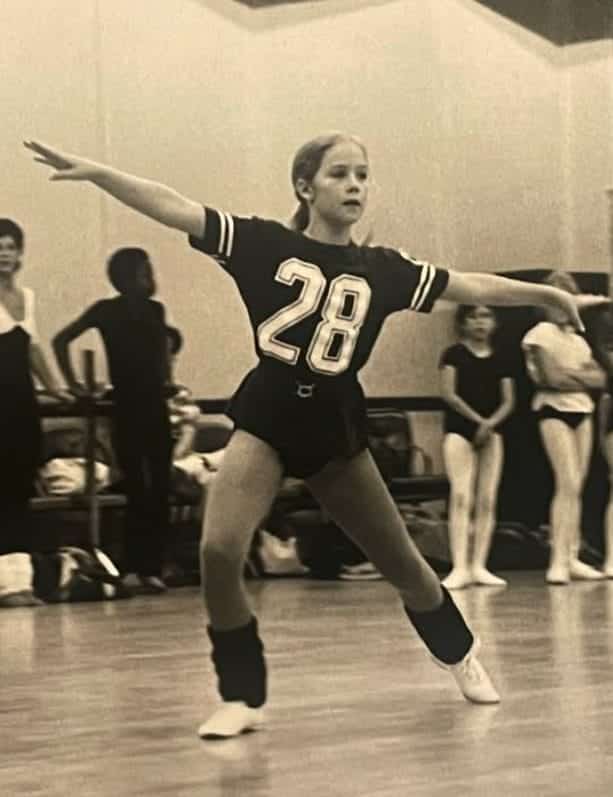
Show business was never distant from her daily life. Acting opportunities arrived almost as soon as she could stand. As a toddler, she appeared on Days of Our Lives alongside her mother. At only three months old, she was featured in a baby bottle commercial.
By the age of ten, she stepped into horror cinema with Jaws of Satan. Later, she portrayed a young Grace Kelly in a television biopic. Performance became routine, an expected part of growing up.
While acting came naturally, personal identity proved harder to define. Growing up on film sets meant constantly adapting to scripts, roles, and expectations.
“I don’t think I’ve lived my own life… I’ve been this other person my whole life.”
The statement reflects a young performer navigating adulthood before fully understanding herself. In many ways, survival and professionalism overshadowed self-discovery.
Breakthrough With Married… with Children
Her life changed dramatically in 1987 when she was cast as Kelly Bundy on Married… with Children. The sitcom’s irreverent humor quickly made it a cultural force, and Applegate, still in her teens, became widely recognized.
The character of Kelly Bundy was exaggerated and provocative, crafted as a hyper-stylized “teen sex bomb.” The portrayal cemented her visibility, but it also created assumptions about who she was off-screen.
She addressed that distinction directly.
“I’m not saying I’m Mary Poppins or anything, but I’m definitely not the little bimbo she is.”
The success of the series propelled her career forward, yet fame did not erase the patterns rooted in her early years.

Personal Struggles and Repeated Patterns
Despite professional achievements, her personal relationships were often fraught with difficulty. She later acknowledged being in a long-term abusive relationship and repeatedly finding herself drawn to troubled partners.
She connected that pattern to the environment in which she was raised. The chaos and addiction she witnessed as a child influenced the dynamics she gravitated toward as an adult.
“My mom always said, ‘I never met a junkie I didn’t like.’ … I was always with these broken birds that I wanted to fix. … You can’t.”
The realization came slowly. Attempting to rescue others mirrored a familiar narrative from her childhood, but it ultimately proved unsustainable.
Over time, she began to understand that healing required confronting those patterns rather than repeating them.
Expanding Her Career
While Married… with Children established her fame, it did not define the full scope of her career. She demonstrated range beyond sitcom comedy.
She earned a Primetime Emmy for a guest appearance on Friends and received a Golden Globe nomination for Jesse. Film audiences embraced her in Anchorman: The Legend of Ron Burgundy and The Sweetest Thing.
Years later, her performance in Dead to Me showcased dramatic depth, reaffirming her versatility and earning renewed critical attention.
Each role added dimension to a career that might easily have been confined to one iconic character.
Revealing the Past
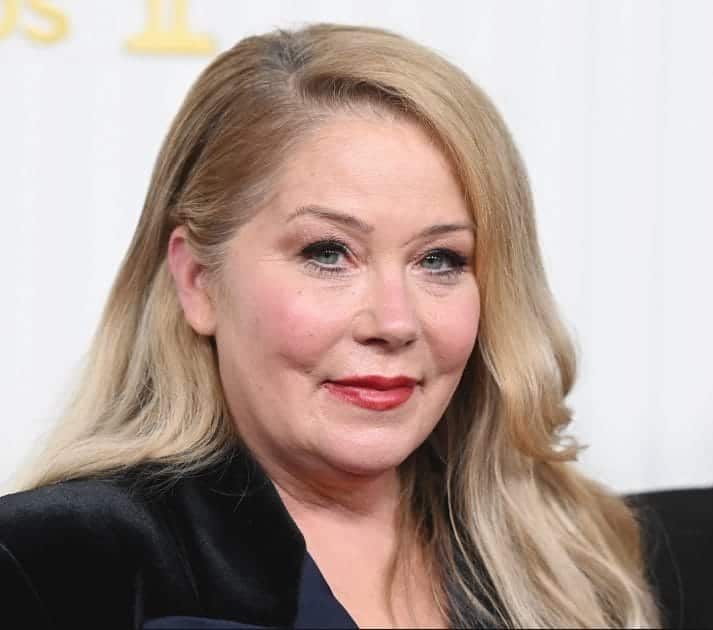
In her memoir, You With the Sad Eyes, Applegate opened up about aspects of her childhood that had remained private for decades. The book reflects on trauma, growth, and the evolution of identity.
She described the child she once was and the woman she eventually became.
“It is about a little girl with sad eyes who ended up becoming Christina Applegate… She’s a stronger, different, resilient human being.”
The memoir underscores a life shaped not by ease, but by endurance. It offers context for the resilience that defines her public persona today.
A New Challenge: Multiple Sclerosis
In 2021, Applegate received a diagnosis that would again alter the course of her life. She was diagnosed with multiple sclerosis, an autoimmune disease that affects the central nervous system.
The condition brought chronic pain and significant physical limitations. She stepped back from on-camera work as symptoms intensified.
She later revealed that much of her day is spent in bed due to discomfort and fatigue. The realities of the illness have reshaped daily routines.
Parenting her teenage daughter, Sadie, with husband Martyn LeNoble has become more physically demanding. Even simple tasks require careful management of energy.
“I want to take her; it’s my favorite thing to do… Just get her there safely and get home so you can get back into bed.”
The comment reflects both devotion and honesty. Rather than present a polished image of strength, she speaks openly about the difficulty.
Advocacy and Continued Purpose
Despite physical setbacks, Applegate remains active in advocacy efforts. She supports the Entertainment Industry Foundation and launched Next in MS, an online platform designed to connect individuals living with multiple sclerosis.
Her engagement demonstrates a commitment to community and awareness. Instead of retreating entirely from public life, she has redirected her focus toward support and education.
Throughout her journey, transparency has become a defining trait. She does not frame her story as effortless inspiration. Instead, she emphasizes survival and persistence.
From a childhood marked by trauma in Laurel Canyon to the heights of television success and the realities of chronic illness, her life illustrates resilience formed through hardship.
The “dark kid” she once described has evolved into a woman who confronts pain openly and continues forward despite it.
Her story is not defined solely by fame, nor solely by adversity. It is shaped by both — by early instability, public recognition, personal reckoning, and physical challenge.
In the end, what stands out is not perfection but endurance. Christina Applegate’s path reflects the complex reality of growing beyond one’s beginnings and finding strength in the process.