
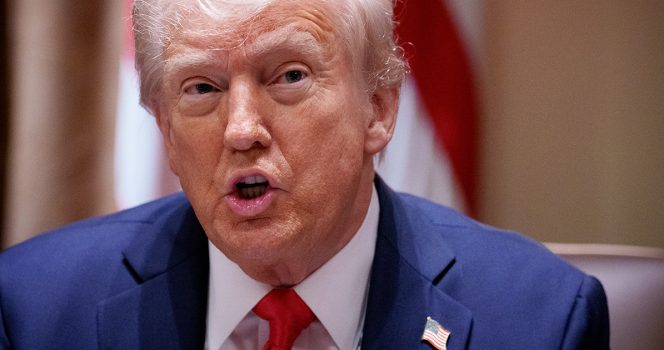
Celebrities Intensify Criticism of Donald Trump Over Military Strikes on Iran
Public Figures Challenge Trump’s Actions
A growing number of well-known entertainers, writers and public figures have voiced sharp criticism of President Donald Trump following recent U.S.–Israeli airstrikes on Iran.
The responses from the entertainment community reflect a broader wave of concern about the conflict’s escalation and its humanitarian and legal implications.
Many of the critiques have circulated widely on social media and generated extensive public discussion.
Opposition from some prominent voices highlights deep divisions over U.S. foreign policy and the use of military force in the Middle East.
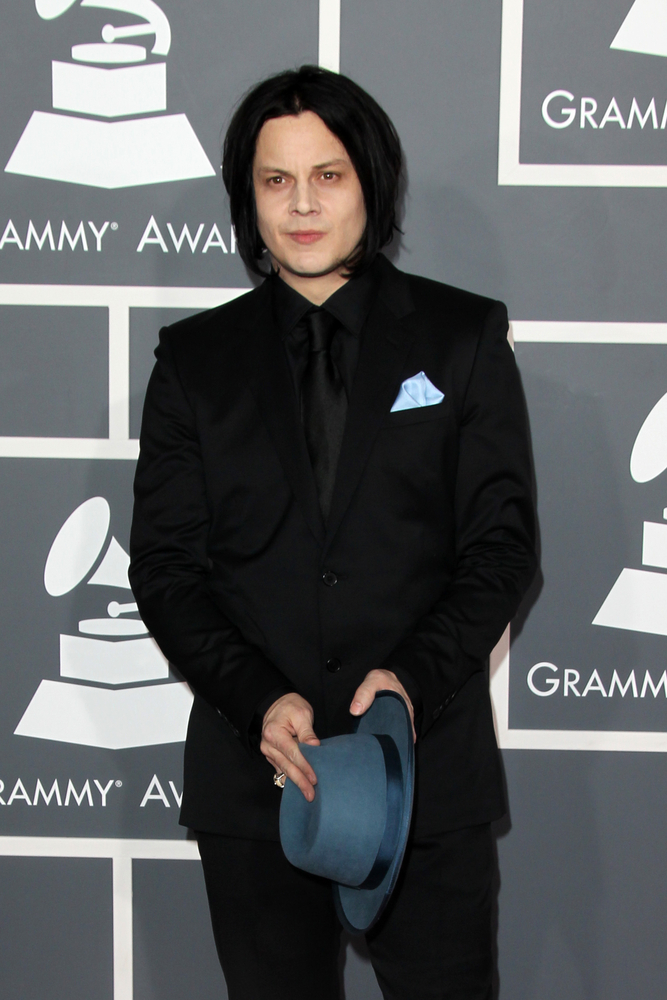
Jack White Leads Vocal Opposition
Musician Jack White, best known as the frontman of The White Stripes, was among the most prominent critics to speak out.
In a lengthy post shared on Instagram, White mocked the president’s announcement style and questioned the moral basis for the strikes.
He used sarcasm to highlight what he described as the contrast between the gravity of military action and Trump’s public image.
White’s remarks also included pointed references to past conflicts and broader foreign policy choices.
His criticism underscored the unease many artists and cultural figures feel about the current trajectory of the conflict and the rhetoric surrounding it.
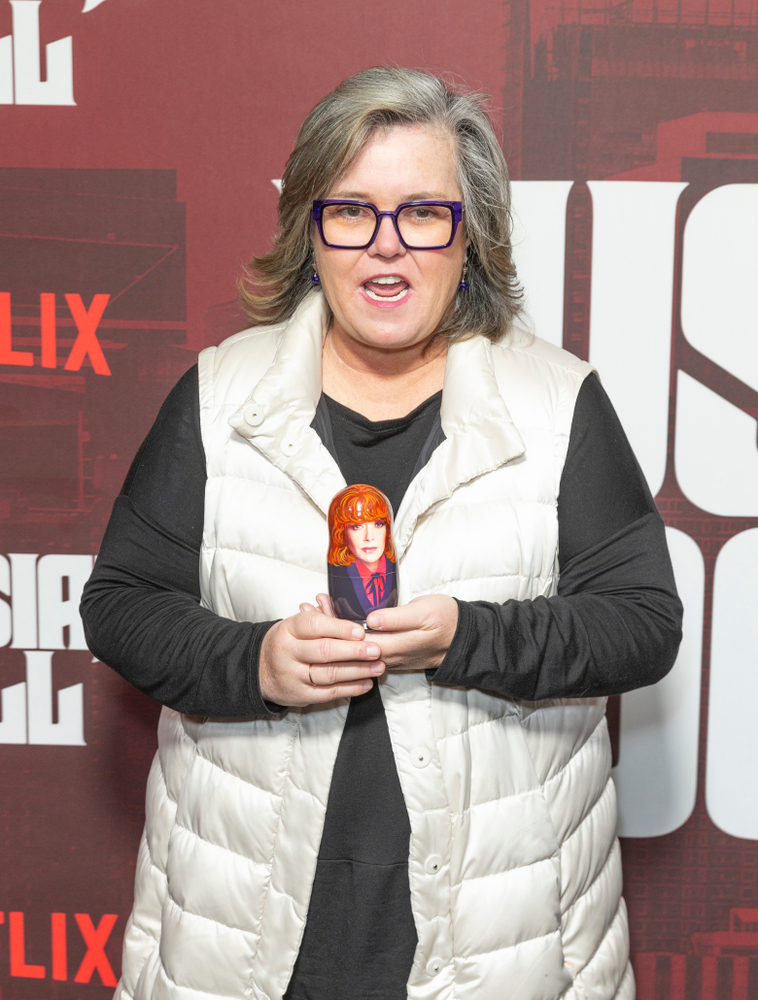
Rosie O’Donnell Questions Trump’s Promises
Comedian and television personality Rosie O’Donnell also took aim at Trump’s decision, accusing him of contradicting earlier campaign statements promising peace rather than war.
In her social media posts, she shared past quotes from Trump emphasizing his supposed commitment to avoiding foreign wars.
O’Donnell’s commentary, framed with hashtags calling for impeachment, drew attention to long-standing debates over Trump’s foreign policy record.
Carrie Coon Highlights Militaristic Language
Actor Carrie Coon, recognized for her work on *The White Lotus*, offered her criticism in stark terms.
On X, she referenced what she described as the United States’ apparent shift toward warlike posture, posting with a tone of sharp understatement that reflected her disapproval.
Coon’s brief but pointed comment echoed concerns that the conflict might be expanding rather than resolving.
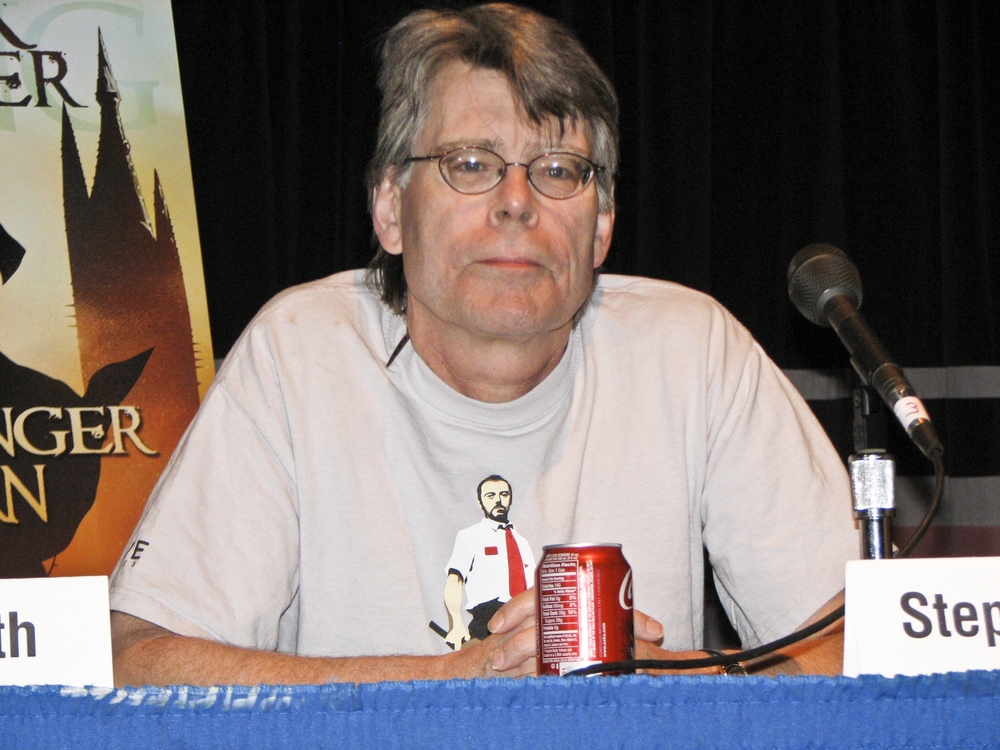
Stephen King Frames Legal Concerns
Legendary author Stephen King weighed in with a focus on constitutional authority, reminding his followers that the power to declare war rests with Congress under Article I, Section 8 of the U.S. Constitution.
King’s post ended with a blunt call for Trump’s impeachment, reflecting his view that the airstrikes undermined constitutional processes.
John Cusack Calls It a “Wag-the-Dog War”
Actor John Cusack took to X to describe the military action as a “wag-the-dog war,” suggesting it was intended to distract from other controversies surrounding the administration.
Cusack also linked the decision to broader geopolitical alliances and long-standing advocacy by foreign leaders, arguing that the conflict did not directly serve American interests.
Mark Ruffalo and Others Criticize Negotiation Roles
Actor Mark Ruffalo shared social media posts questioning the roles of senior administration figures in leading negotiations that preceded the military action.
His remarks suggested that the administration’s internal personnel decisions helped steer the United States toward a path of conflict rather than diplomacy.
Ruffalo’s comments added to a broader critique linking the decision to deeper strategic choices within the White House.
Broader Celebrity Backlash
Other entertainers and public commentators joined the conversation with their own criticisms.
Comedian Tim Heidecker posted a video condemning the war, arguing that modern conflict decisions bypassed established international processes and public debate.
Additional voices criticized what they saw as the departure from prior commitments to peace and restraint, reflecting a broader cultural backlash against the strikes.
Public Debate Reflects Deep Divisions
The celebrity reactions sit against a backdrop of split opinions among lawmakers and world leaders.
Some political figures outside the entertainment world have also condemned the attacks, arguing that the military action undermines diplomacy and the constitutional role of Congress in authorizing war.
Others argue that the strikes were necessary to confront perceived threats and protect national security interests.
This divide mirrors broader public debate over the appropriate scope and limits of U.S. military engagement abroad
Support and Opposition from Multiple Angles
While many entertainers have criticized the strikes, others across the political spectrum have expressed support or nuanced perspectives.
Some commentators have defended the administration’s actions as strategic responses to security threats, while critics emphasize the risks of broader escalation.
This mix of responses highlights the complexity of public opinion and the challenge leaders face when navigating international conflict.
Impact on the Cultural Conversation
Celebrities have amplified the conversation beyond traditional political discourse, bringing renewed attention to questions of military authority, diplomatic responsibility and the human costs of conflict.
Their statements have sparked debate among fans and followers, with some praising the candid critiques and others challenging them for oversimplifying complex geopolitical issues.
The surge in celebrity responses underscores how social media platforms have become key arenas for public debate on matters of foreign policy and national leadership.
Controversy Is Far From Over
With public figures on both sides weighing in, the controversy over the strikes continues to evolve.
Supporters of the military action emphasize the importance of confronting threats and protecting American interests.
Critics argue that bypassing broader constitutional processes and international diplomacy carries serious risks, including the expansion of conflict.
As the war between the United States and Iran escalates and the death toll rises, the divide in public opinion is reflected not only in political arenas but also in cultural and entertainment communities.
Whether public pressure will influence policy or reshape broader debate remains a subject of intense discussion across media and society.