
Escalation in the Middle East Raises Global Alarm as Strikes and Retaliation Intensify
Overnight Strikes Trigger Immediate Crisis
The international community awoke to scenes of devastation as Tehran burned and tensions surged across the region.
Israel heightened its state of alert, while Washington issued stern warnings urging Iran to avoid further escalation.
Senior figures were reported dead, missiles were already in flight, and urgent diplomatic messages reverberated through global institutions.
What had once been stalled negotiations over nuclear issues rapidly transformed into a direct and dangerous confrontation.
Coordinated Military Action Crosses a Red Line
A joint operation carried out by the United States and Israel targeted leadership elements in Tehran, marking a dramatic shift in long-standing patterns of restraint.
The strike shattered taboos that had previously defined the boundaries of engagement between the adversaries.
Iran described the attack as a violation of its most fundamental red line.
Within hours, Tehran responded with waves of missiles and drones directed at Israel and American military installations.
Officials in Tehran vowed what they called their “most devastating offensive operation,” signaling that the confrontation had entered a new and volatile phase.
Rhetoric Hardens on All Sides
Public statements from leaders quickly escalated in tone, reflecting the gravity of the unfolding crisis.
Language invoking obliteration, war crimes, and unprecedented force replaced earlier diplomatic caution.
Each government framed its actions as necessary and defensive, while accusing the other of irreparably breaching established boundaries.
The possibility of restraint appeared to narrow as military operations continued.
Diplomacy Struggles at the United Nations
Inside the United Nations, emergency meetings convened as representatives sought to contain the fallout.
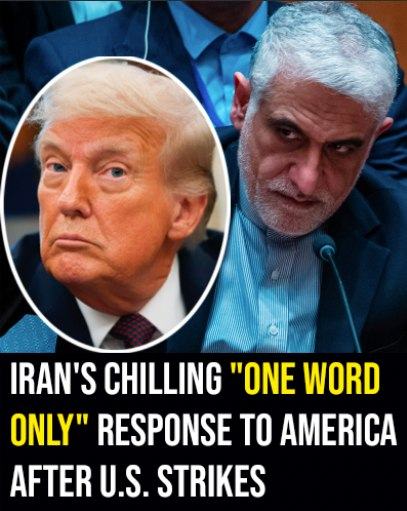
Iran’s ambassador characterized the coordinated strikes as a crime against humanity and invoked the right to self-defense under Article 51.
He also delivered a pointed message to Washington, urging it to “be polite.”
The United States envoy rejected the accusations and defended the military action as a necessary measure to safeguard security.
Between these opposing positions, the Secretary-General appealed for calm and emphasized that peace remained the only viable solution.
Military Alerts and Civilian Anxiety
While diplomatic discussions unfolded, the reality on the ground remained tense and uncertain.
Air raid sirens sounded in multiple locations as cities prepared for potential impact.
Military readiness levels were raised across borders, and defense systems were activated in anticipation of further strikes.
Civilians monitored the skies, uncertain whether additional attacks would follow.
The atmosphere of anxiety extended beyond national capitals into neighboring states.
Regional Ripple Effects
The confrontation threatened to extend beyond the immediate participants.
Shipping routes in critical waterways faced increased scrutiny as security concerns mounted.
Energy markets reacted to the instability, reflecting fears that continued escalation could disrupt supply chains.
Neighboring countries assessed their positions carefully, aware that further strikes could widen the conflict’s scope.
Each new development raised the possibility of broader regional involvement.
Allies and Adversaries Calculate Their Moves
Governments aligned with either side evaluated commitments and strategic interests.
Allies weighed diplomatic support against the risk of deeper entanglement.
Adversaries monitored the situation closely, testing political resolve and military readiness.
The balance of power appeared fragile as decisions made in one capital reverberated across continents.
The rapid pace of events left little time for deliberation.
The Collapse of Trust
Trust between the parties deteriorated sharply as missiles crossed borders and accusations intensified.
Long-standing channels of indirect communication faltered amid the exchange of threats.
Both sides insisted their actions were compelled by necessity.
Yet each new strike risked entrenching positions further and reducing the likelihood of compromise.
With leaders on both sides speaking in absolute terms, diplomatic flexibility seemed increasingly scarce.
The Human Dimension
Beyond the political and military calculations, civilians faced the immediate consequences of the crisis.
Families sought shelter as emergency alerts continued to flash.
Hospitals prepared for casualties while emergency services mobilized.
The uncertainty of what might come next weighed heavily on communities.
Daily routines were disrupted as people prioritized safety and information.
Energy and Economic Concerns
Markets reacted swiftly to the unfolding events.
Investors responded to the heightened risk of prolonged instability in a region central to global energy supply.
Concerns grew that extended hostilities could disrupt transportation corridors and production facilities.
Such disruptions would have consequences far beyond the immediate area of conflict.
Economic analysts noted that uncertainty itself can exert pressure even before tangible damage occurs.
Legal and Political Arguments Intensify
Debate intensified over the legality and justification of the initial strike and the subsequent retaliation.
Iran’s invocation of Article 51 framed its response as an act of self-defense under international law.
The United States maintained that the operation addressed urgent security threats.
Both narratives sought to shape global perception and secure diplomatic backing.
The disagreement underscored how interpretations of legality can diverge sharply in moments of crisis.
The Narrowing Window for De-escalation
As missiles remained airborne and defense systems engaged incoming threats, the margin for diplomatic intervention grew thinner.
Calls for restraint competed with the momentum of military action.
Every additional strike heightened the risk of miscalculation.
Observers warned that rapid escalation could outpace efforts to mediate.
The situation evolved hour by hour, leaving little certainty about the immediate future.
A Region on Edge
Across the broader region, governments activated contingency plans.
Border security measures were reinforced as authorities prepared for potential spillover.
Strategic infrastructure sites received heightened protection.
Communications between military commands intensified to prevent unintended clashes.
The possibility of a wider confrontation loomed heavily over policy discussions.
Global Attention Fixed on Next Steps
World leaders monitored developments closely, aware that the crisis could alter geopolitical dynamics.
Diplomatic channels remained open but strained.
Statements from capitals around the globe urged caution while reaffirming alliances.
The stakes extended beyond national security to encompass regional stability and international norms.
The rapid pace of escalation demanded careful calculation from all parties involved.
An Uncertain Horizon
With missiles already launched and retaliatory threats declared, the central question shifted from who initiated hostilities to whether the escalation could still be contained.
The breakdown of trust and the intensity of rhetoric complicated efforts to restore dialogue.
Each side faced pressure to demonstrate resolve while avoiding catastrophic consequences.
For civilians watching events unfold, uncertainty overshadowed daily life.
The coming hours and days would determine whether diplomatic appeals could outpace the momentum of conflict.
The Fragile Path Forward
The unfolding crisis underscored how quickly tensions can transform into open confrontation.
What began as stalled negotiations evolved into direct military action with global implications.
As leaders exchanged warnings and defense systems remained active, the possibility of further escalation persisted.
Peace advocates emphasized that dialogue, however difficult, remained essential to prevent irreversible damage.
Whether such efforts would succeed depended on decisions still to be made.
In the shadow of burning skies and heightened alerts, the world waited to see if the trajectory of conflict could be altered before it deepened further.