
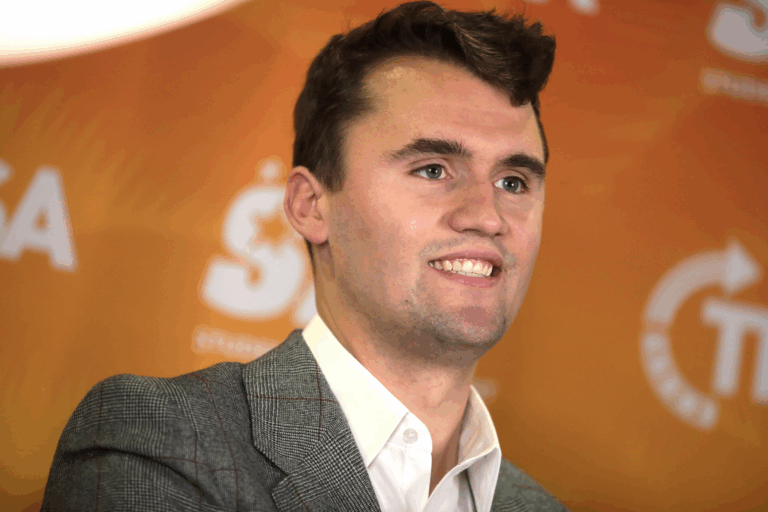
Fatal Shooting of Charlie Kirk at Utah Valley University Sparks National Debate on Political Violence and Campus Security
A Daylight Attack That Shocked the Nation
On September 10, 2025, conservative activist and political organizer Charlie Kirk was fatally shot during a public speaking event held at Utah Valley University in Orem, Utah.
The incident unfolded in broad daylight before a large audience, sending shockwaves across the country and prompting widespread concern about political violence and public safety.
Witnesses described a sudden and chaotic scene as thousands of spectators realized what had occurred during the outdoor gathering.
The killing quickly became one of the most consequential acts of political violence in recent United States history, drawing intense responses from public officials, law enforcement agencies, and citizens nationwide.
Charlie Kirk’s Public Profile and Influence
Charlie Kirk, 31 at the time of his death, was widely known as a conservative activist, author, and co-founder of the youth organization Turning Point USA.
His work focused heavily on political engagement among young people, particularly on college campuses where his organization hosted events and tours centered on conservative advocacy.
Kirk’s messaging often addressed issues such as free speech, economic policy, immigration, and education reform.
Over time, his influence expanded beyond campus activism into broader political strategy discussions and mainstream media appearances.
Among Republican organizers and younger conservative audiences, he was recognized as a prominent figure shaping ideological outreach and youth engagement.
The Event at Utah Valley University
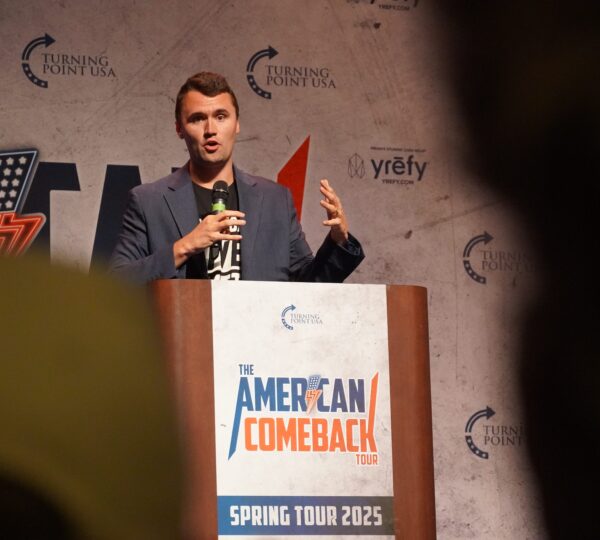
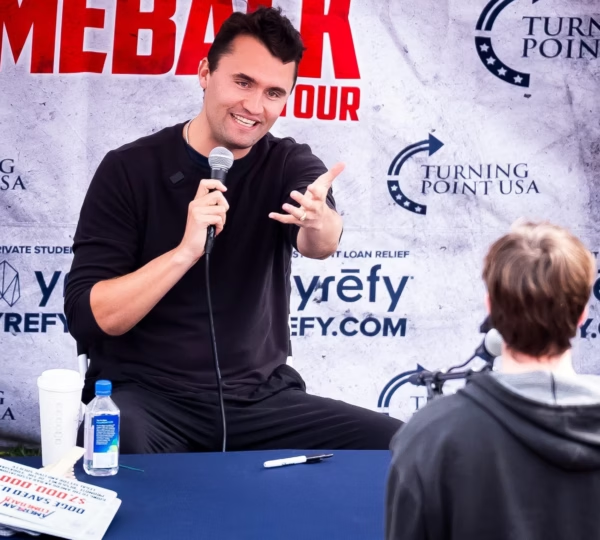
On the afternoon of the shooting, Kirk was speaking in an outdoor courtyard on the Utah Valley University campus as part of a tour event organized by his group.
Videos captured by attendees show him answering questions from the audience when a single shot was fired.
The bullet struck him in the neck, immediately causing panic among the crowd, which was estimated to number around 3,000 people.
Attendees fled the area while campus security and police personnel present at the event rushed to respond.
Emergency Response and Medical Efforts
Campus police, who had been stationed at the gathering, attempted to provide immediate aid following the shooting.
Emergency responders quickly transported Kirk to Timpanogos Regional Hospital for urgent medical treatment.
Despite these efforts, he was pronounced dead later that same afternoon.
The rapid escalation of events underscored the vulnerability of large public gatherings and intensified scrutiny over security protocols at campus events.
Investigation and Forensic Evidence
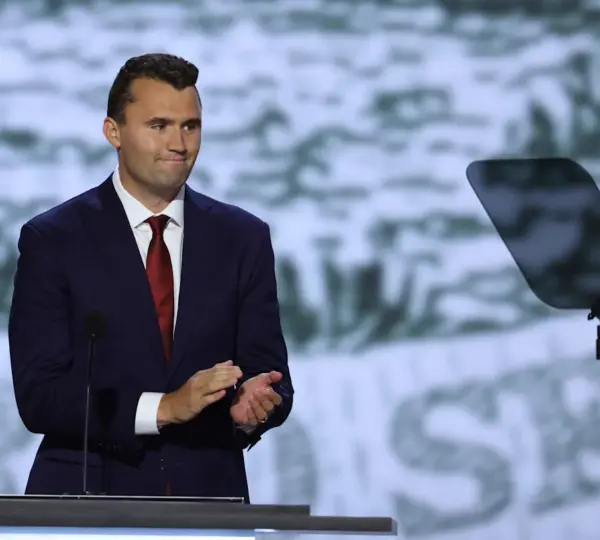
Law enforcement authorities, along with federal investigators including the FBI, swiftly assumed control of the investigation.
A high-powered bolt-action rifle believed to have been used in the attack was later recovered in a wooded area near the university campus.
Forensic teams identified DNA and other evidence on the weapon, which became a central component of the investigative process.
Investigators focused on reconstructing the timeline and determining how the suspect was able to carry out the attack during a heavily attended public event.
Arrest and Charges Against the Suspect
Within days of the shooting, law enforcement officials identified and arrested 22-year-old Tyler James Robinson in connection with Kirk’s death.
Robinson was charged with multiple serious offenses, including aggravated murder, felony discharge of a firearm causing serious bodily injury, obstruction of justice, witness tampering, and additional violent-offense enhancements.
Prosecutors indicated that they intend to seek the death penalty if a conviction is secured.
The severity of the charges reflects the gravity with which authorities are treating the case.
Legal Motions and Court Developments
Robinson’s legal team filed several procedural motions as part of the early court proceedings.
Among these was a request to disqualify the Utah County Attorney’s Office from prosecuting the case based on an alleged conflict of interest.
A Utah judge recently denied that motion, ruling that there was no significant risk of bias and allowing prosecutors to continue their involvement.
As of early 2026, Robinson remains in custody while awaiting further trial dates under heightened security measures.
National Debate on Political Violence
The assassination immediately ignited a nationwide debate about political violence and the consequences of deep ideological polarization.
Observers across the political spectrum described the killing as a stark reminder of the dangers associated with increasingly confrontational public discourse.
Many analysts noted that the intersection of political activism and heightened rhetoric has contributed to a more volatile public environment.
The incident prompted renewed calls for civic restraint and nonviolent engagement in political dialogue.
Statements From National Leaders
President Donald Trump and other senior political figures publicly condemned the attack in the days following the shooting.
Trump delivered tributes to Kirk during the 2026 State of the Union address and called on the nation to reject violence while honoring Kirk’s legacy.
Lawmakers in several states introduced resolutions and legislative proposals aimed at memorializing his life and contributions.
One proposal included the creation of a “National Day of Remembrance” in his honor.
Debate Over Terminology and Characterization
Political leaders and commentators engaged in ongoing debate over how to characterize the killing.
Some described it as an assassination due to the political context and public nature of the event.
Others framed it primarily as an act of gun violence, emphasizing broader societal concerns about firearm-related incidents.
This debate reflected deeper disagreements about how political violence should be defined and addressed within public policy discussions.
Campus Security Concerns and Institutional Response
The shooting exposed perceived vulnerabilities in campus security and emergency preparedness protocols.
Students and faculty raised questions about communication from university administrators and the effectiveness of lockdown procedures during large public events.
Some students reported feeling overwhelmed and unsafe in the immediate aftermath of the incident.
These reactions prompted calls for improved training, risk assessment measures, and more robust security planning for future campus gatherings.
Student and Community Reactions Nationwide
In addition to reactions at Utah Valley University, college communities across the country held vigils and moments of silence to honor Kirk’s memory.
A notable vigil took place at the University of the Cumberlands, where students and community members gathered to mourn and call for nonviolent public discourse.
These events highlighted the emotional impact of the tragedy beyond the immediate location of the shooting.
Many participants emphasized the importance of maintaining respectful dialogue despite ideological differences.
Impact on Free Speech and Campus Culture
Surveys conducted in the months following the assassination indicated that the event significantly influenced student attitudes toward public debate and political expression.
Many students reported feeling less comfortable attending controversial speaking engagements or openly expressing strong political opinions.
This shift underscored the broader cultural effects of the incident on academic environments.
Civil liberties organizations noted the complex balance between ensuring public safety and protecting freedom of speech on university campuses.
Reactions From Public Figures and Online Communities
Charlie Kirk was widely regarded as a polarizing figure, praised by supporters for his organizational leadership and criticized by opponents for his rhetoric.
Despite these divisions, his death prompted responses from individuals across ideological lines.
Among those reacting was Dean Withers, a 21-year-old progressive content creator known for debating conservative figures online.
Withers, who has built a substantial following through his critique of right-wing policies and personalities, delivered an emotional livestream following the news of the shooting.
A Moment of Cross-Ideological Empathy
During the livestream, which attracted hundreds of thousands of viewers, Withers became visibly emotional and expressed sorrow over the tragedy.
He stated that he was “distraught” and condemned gun violence regardless of political affiliation.
He urged his audience to interpret his reaction as a human response rather than political commentary and called for empathy toward Kirk’s family and those present at the scene.
This response was widely discussed as an example of compassion transcending political disagreements.
Extensive Media Coverage and Public Discussion
The assassination received extensive coverage across national media outlets, with ongoing reporting on both the investigation and the legal proceedings.
Video footage from the event was repeatedly analyzed as part of broader discussions about security, motivation, and public safety.
Fact-checking efforts sought to separate verified evidence from misinformation and conspiracy theories circulating online.
The case also became intertwined with national conversations about gun laws, mental health, and the influence of political rhetoric.
Legislative and Policy Responses
In the aftermath of the shooting, lawmakers introduced various measures aimed at improving safety at large public events.
Some proposals focused on increasing penalties for politically motivated violence.
Others emphasized enhanced security planning and coordination between event organizers and law enforcement agencies.
These legislative discussions reflect broader concerns about preventing similar incidents in the future.
Ongoing Court Proceedings and Legal Scrutiny
As of early 2026, Tyler Robinson remains in custody awaiting further trial proceedings under significant public and media attention.
Judges have allowed him to appear in court in street clothes to preserve the presumption of innocence amid widespread publicity.
Security measures continue to be enforced to protect court personnel, legal teams, and observers.
Legal analysts and civil liberties advocates are closely monitoring the case due to its high-profile nature and potential precedent-setting implications.
Long-Term Impact and National Reflection
The assassination of Charlie Kirk has had lasting reverberations far beyond the state of Utah.
It intensified national discussions about political violence, highlighted vulnerabilities in public event security, and renewed calls for respectful civic engagement.
Memorial efforts and legislative tributes demonstrate the depth of emotional and political impact the tragedy had on supporters and colleagues.
At the same time, reactions from critics and commentators have been cited as examples of how empathy can emerge even in highly polarized environments.
Conclusion
The fatal shooting of Charlie Kirk at Utah Valley University stands as a tragic and defining moment in recent American political history.
The event brought urgent attention to issues including gun violence, campus safety, public discourse, and national unity.
As legal proceedings continue and broader societal discussions evolve, the incident remains a powerful reminder of the consequences of political violence.
It also underscores the importance of empathy, dialogue, and vigilance in an increasingly polarized public landscape.