
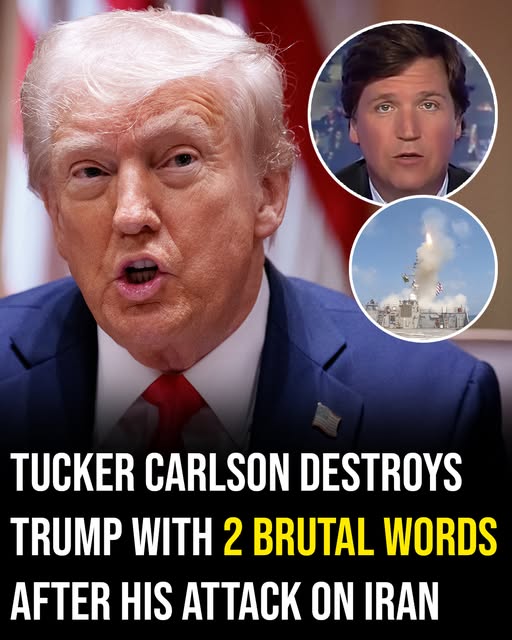
U.S. and Israeli Strikes on Iran Spark Global Tensions and Deep Divisions Within Trump’s Political Base
Coordinated Military Operations and Immediate Escalation
Military strikes carried out jointly by Israel and the United States against Iran have triggered significant international repercussions while also exposing notable divisions within President Donald Trump’s political support base.
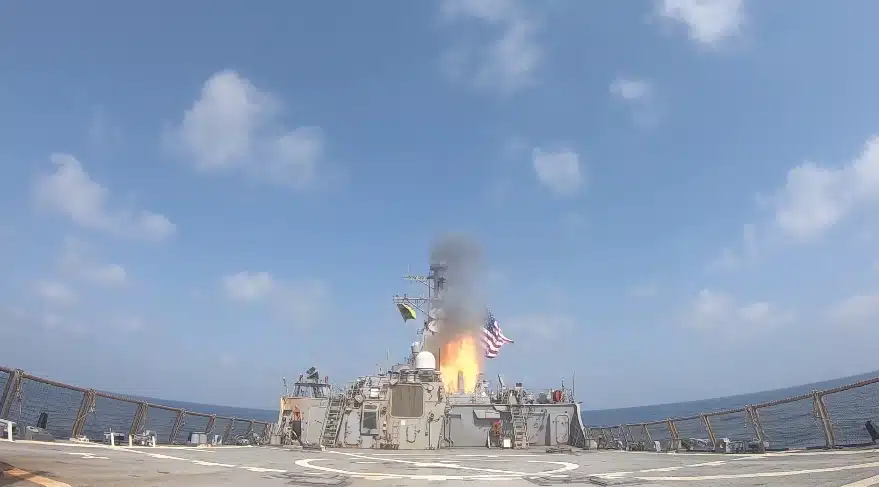
U.S. officials indicated that coordinated operations targeted Iranian positions in Tehran on February 28, marking a major escalation in regional tensions.
Reports from the operation stated that Iran’s Supreme Leader, Ayatollah Ali Khamenei, was killed during the strikes, along with multiple senior officials.
The development represents one of the most consequential moments in recent U.S.–Iran relations, immediately raising concerns about retaliation and broader conflict dynamics.
Trump Describes Operation as Rapid and Successful
During an interview with Fox News, President Donald Trump characterized the military campaign as highly effective and advancing quickly.
“It’s moving along. It’s moving along rapidly. This has been this way for 47 years,” he said.
He further emphasized the scale of the operation’s impact, adding: “Nobody can believe the success we’re having, 48 leaders are gone in one shot.”
His remarks framed the strikes as part of a broader effort to address long-standing tensions involving Iran’s military and strategic capabilities.
Casualties and Iranian Retaliation
The U.S. Central Command confirmed that three American service members were killed during the ongoing operation, while five others sustained serious injuries.
Following the strikes, Iran launched retaliatory missile and drone attacks directed at U.S. military installations across the Gulf region.
Targets included bases located near Bahrain, Qatar, and Dubai, underscoring the regional scope of the escalation.
The retaliatory response heightened concerns about further military exchanges and the possibility of a prolonged confrontation.
Warnings and Strategic Justification From the Administration
President Trump later stated that U.S. combat operations would continue until strategic objectives were fully achieved.
He issued a warning directed at Iranian security forces, urging them to “lay down your arms and receive full immunity or face certain death.”
The administration defended the campaign by arguing that an Iran equipped with long-range missile systems and potential nuclear capabilities would present a serious threat to U.S. national security.
This justification has been central to the White House’s messaging as the military situation continues to unfold.
Growing Conservative Backlash to Military Action
Despite the administration’s national security rationale, several influential conservative voices have publicly criticized the decision to authorize the strikes.
The reaction has highlighted internal ideological divisions within Trump’s broader political coalition, particularly on foreign policy and military intervention.
Some figures have expressed concern about the risks of deeper military involvement and the long-term consequences of escalation.
Tucker Carlson’s Strong Criticism
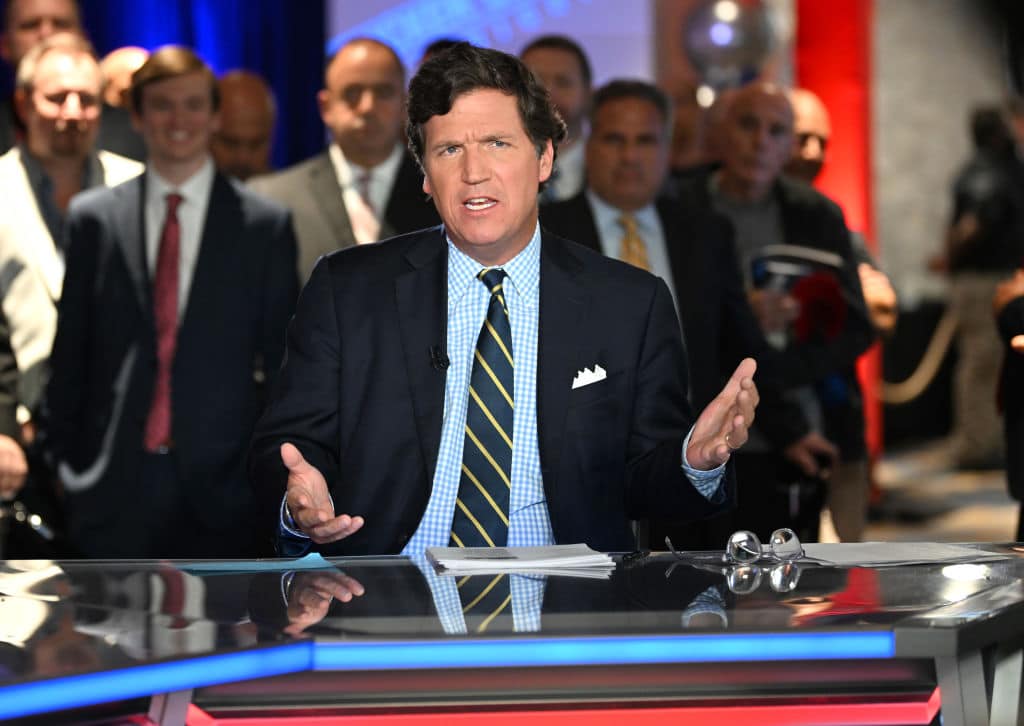
Independent journalist Tucker Carlson, who previously defended Trump during his tenure at Fox News, delivered one of the most forceful public condemnations of the military action.
During an interview with Jon Karl, Carlson described the decision as “absolutely disgusting and evil.”
He also stated that he had personally advised Trump against authorizing military intervention during a recent meeting.
His remarks signaled a notable shift in tone from a media figure historically aligned with elements of Trump’s political messaging.
Opposition From Marjorie Taylor Greene
Former congresswoman Marjorie Taylor Greene also voiced strong opposition to the strikes, framing them within the context of ongoing U.S. involvement in overseas conflicts.
“Thousands and thousands of Americans from my generation have been killed and injured in never ending pointless foreign wars and we said no more. But we are freeing the Iranian people. Please.”
She questioned the narrative of liberation used to describe the operation and argued that Iran’s internal political direction should not be shaped by U.S. military intervention.
Her comments reflected a broader skepticism among some conservatives regarding prolonged foreign engagements.
Constitutional Concerns Raised by Rand Paul
Senator Rand Paul emphasized constitutional considerations in his response, focusing on the legal framework governing military action.
“The Constitution conferred the power to declare or initiate war to Congress for a reason, to make war less likely… As with all war, my first and purest instinct is wish American soldiers safety and success in their mission. But my oath of office is to the Constitution, so with studied care, I must oppose another Presidential war.”
His position highlighted longstanding debates over executive authority and the role of Congress in authorizing military operations.
National Interest Arguments From Conservative Commentators
Conservative commentator Matt Walsh also weighed in on the issue, arguing that foreign policy decisions should be evaluated primarily through the lens of American national interests.
“As Americans, the freedom of Iranians is not our responsibility. If a single American life is lost in the service of that goal, it will be a travesty.”
This perspective underscored a strand of conservative thought that prioritizes domestic interests and restraint in overseas conflicts.
Strategic Context and Prior Military Actions
The escalation follows earlier U.S. actions reportedly aimed at Iranian nuclear facilities, including Fordow, Natanz, and Isfahan, after Israeli strikes on military infrastructure.
These developments collectively represent one of the most direct confrontations between Washington and Tehran in decades.
The sequence of strikes and counterstrikes has intensified fears of broader regional instability and long-term geopolitical consequences.
Potential for Prolonged Conflict
While the administration maintains that the objective of the campaign is to neutralize longstanding threats, critics warn that the operation could draw the United States into an extended military conflict.
Concerns about sustained engagement include the potential for additional casualties, financial costs, and diplomatic fallout.
The scale of retaliation from Iran and the ongoing military exchanges suggest that the situation remains highly volatile.
Ideological Fractures Within the Conservative Movement
The episode appears to be widening internal divisions among conservatives, particularly between advocates of assertive national security policies and those favoring restraint and constitutional limitations on executive war powers.
Some supporters of the administration view the strikes as a necessary response to strategic threats, while others interpret the move as a departure from prior calls to reduce foreign military involvement.
This divide reflects broader tensions within the movement regarding the balance between interventionism and non-interventionism.
Domestic Political Ramifications
Beyond the battlefield implications, the military action is shaping domestic political discourse and influencing debate across the political spectrum.
Criticism emerging from within Trump’s own base suggests that foreign policy decisions can carry significant internal political consequences.
The divergence of opinions among prominent conservative figures indicates that the issue may continue to impact political messaging and coalition dynamics.
International and Regional Consequences
The coordinated strikes and subsequent retaliation have amplified global concern about the stability of the Middle East and the potential for further escalation.
Military exchanges involving key regional locations such as Bahrain, Qatar, and Dubai highlight the broader geographic scope of the confrontation.
As tensions persist, diplomatic and security considerations are expected to remain central to international discussions.
Uncertainty Surrounding Future Developments
With combat operations ongoing and political reactions intensifying, both international repercussions and domestic fallout remain uncertain.
The administration’s commitment to continuing military action until objectives are achieved suggests that the conflict may evolve further in the coming weeks.
At the same time, growing criticism from influential voices within the conservative movement signals that the political impact of the strikes could extend well beyond immediate military outcomes.
As events continue to unfold, the intersection of strategic decision-making, public opinion, and ideological debate is likely to shape the trajectory of both U.S. foreign policy and domestic political discourse.