
Vertical Nail Ridges and Nutrition: What to Eat for Stronger, Smoother Nails
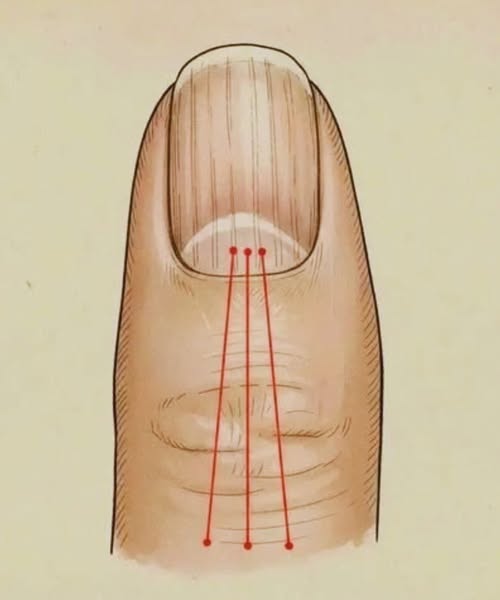
Vertical ridges on the nails are a common concern, particularly as people age. In many cases, these ridges are harmless and simply reflect natural changes in nail growth over time. However, when nails become brittle, weak, or noticeably textured, they may signal underlying nutritional gaps rather than just aging.
The appearance and strength of nails are closely tied to overall nutrition. Because nails grow slowly and are made from structural proteins and minerals, deficiencies can gradually show up in their texture, thickness, and resilience.
The encouraging news is that dietary choices can significantly influence nail health. By focusing on key nutrients that support keratin production, hydration, and cellular repair, it is possible to improve nail strength and reduce the prominence of ridges naturally.
Protein: The Structural Building Block of Nails
Nails are primarily composed of keratin, a type of protein that gives them strength and durability. When protein intake is insufficient, nails may grow more slowly and become thin, fragile, or prone to splitting and ridging.
Consuming adequate protein helps maintain consistent keratin production, which supports smoother and stronger nail growth. Regular intake is especially important because the body does not store protein in large reserves for structural use.
Including high-quality protein sources in daily meals can improve nail resilience over time and reduce weakness associated with nutritional deficiencies.
Nutritious protein-rich options include eggs, lean poultry, fish, Greek yogurt, beans, lentils, and tofu.
Biotin (Vitamin B7): Supporting Nail Thickness and Strength
Biotin is widely recognized for its role in strengthening brittle nails. This B vitamin supports the structural integrity of keratin, helping nails grow thicker and less prone to breakage or ridging caused by fragility.
While supplements are often discussed, many individuals can meet their needs through a balanced diet that includes natural sources of biotin.
Regular intake of biotin-rich foods may gradually improve nail texture, especially in individuals experiencing brittleness or slow growth.
Foods naturally rich in biotin include fully cooked eggs, almonds, walnuts, sweet potatoes, spinach, and salmon.
| Nutrient | Primary Benefit for Nails |
| Protein | Supports keratin production and nail strength |
| Biotin | Improves thickness and reduces brittleness |
| Iron | Supports oxygen delivery to nail matrix |
| Zinc | Aids growth and cellular repair |
| Omega-3s | Enhances moisture and flexibility |
Iron: Preventing Weak and Grooved Nails
Iron plays a vital role in transporting oxygen throughout the body, including to the nail matrix where growth occurs. Low iron levels can contribute to thin, fragile nails and, in more pronounced cases, visible structural changes.
Although vertical ridges alone do not automatically indicate iron deficiency, persistent nail weakness combined with fatigue or paleness may warrant medical evaluation.
Maintaining sufficient iron intake supports steady nail growth and overall nail integrity.
Iron-rich foods include lean red meat, chicken thighs, lentils, chickpeas, pumpkin seeds, and dark leafy greens.
For better absorption, pairing plant-based iron sources with vitamin C–rich foods such as citrus fruits or bell peppers can be especially beneficial.
Zinc: Essential for Growth and Repair
Zinc is crucial for cell division and tissue repair, processes that directly affect nail formation. A deficiency may contribute to abnormalities such as ridges, white spots, or slower nail growth.
Since the body does not store large amounts of zinc, consistent dietary intake is important for maintaining nail health.
Ensuring adequate zinc consumption helps support the regeneration of healthy nail tissue and reduces structural irregularities over time.
Good dietary sources of zinc include oysters, beef, cashews, sunflower seeds, and whole grains.
Omega-3 Fatty Acids: Improving Moisture and Flexibility
Dry, brittle nails can make vertical ridges appear more pronounced. Omega-3 fatty acids help maintain hydration in the nail bed while supporting circulation and reducing inflammation.
Better circulation ensures that essential nutrients reach the nail matrix more efficiently, contributing to smoother growth.
Including healthy fats in the diet can improve nail flexibility and reduce cracking or peeling.
Rich sources of omega-3 fatty acids include salmon, sardines, mackerel, chia seeds, flaxseeds, and walnuts.
The Importance of Hydration for Nail Health
Hydration plays a key role in maintaining nail elasticity and preventing excessive dryness. Dehydrated nails are more likely to become brittle, which can exaggerate the appearance of ridges.
Drinking enough water throughout the day supports overall skin and nail health while maintaining moisture balance.
In addition to fluids, hydrating foods such as cucumbers, oranges, and watermelon can contribute to better hydration levels.
Consistent hydration helps create a healthier environment for nail growth and resilience.
When Nail Changes May Require Medical Attention
While vertical ridges are often harmless, sudden or dramatic nail changes should not be ignored. Deep horizontal grooves, dark streaks, discoloration, or pain may indicate underlying medical conditions rather than simple nutritional issues.
In such cases, consultation with a healthcare professional is recommended for proper evaluation and diagnosis.
Early assessment can help identify potential deficiencies or health concerns before they progress further.
Monitoring nail changes alongside other symptoms provides a more complete picture of overall health.
| Nail Change | Possible Sign |
| Vertical ridges | Aging or mild nutritional gaps |
| Brittle nails | Protein or biotin deficiency |
| Deep horizontal lines | Possible illness or stress event |
| Dark streaks or pain | Needs medical evaluation |
The Bottom Line: Nutrition as the Foundation of Nail Strength
Healthy, smooth nails are largely a reflection of internal health and consistent nutrition. Prioritizing protein, biotin, iron, zinc, omega-3 fatty acids, and proper hydration can significantly improve nail strength and appearance over time.
It is important to remain patient, as nails grow slowly and visible improvements may take several months to appear. Sustainable dietary habits yield the most reliable and lasting results.
Rather than relying on quick fixes, focusing on balanced nutrition and overall wellness provides a natural and effective approach to reducing ridges and strengthening nails.
With consistent care, thoughtful nutrition, and adequate hydration, nails can gradually become smoother, stronger, and more resilient as part of a healthy lifestyle.