
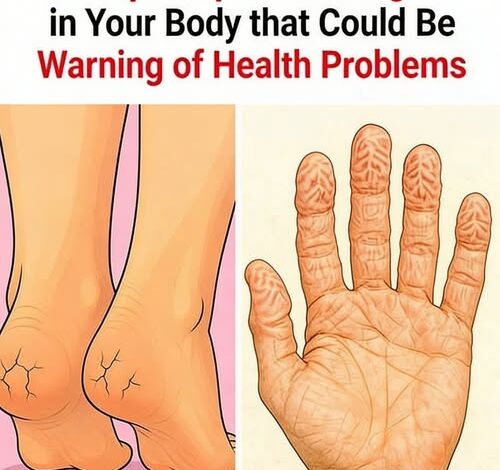
Eight Subtle Body Signals That May Reveal Early Health Changes
Listening to the Body’s Quiet Warnings
The human body communicates constantly, often through subtle changes that appear long before pain or serious illness develops. In a fast-paced modern environment, these quiet biological signals can easily be overlooked or dismissed as stress, fatigue, or normal aging.
However, these nearly invisible shifts frequently serve as early indicators of underlying health conditions. Recognizing them allows individuals to move from passive awareness to proactive health management.
Rather than waiting for severe symptoms, observing small physical changes can provide valuable diagnostic clues about internal health.
The Diagnostic Clues Found in Fingernails
Fingernails are among the most visible indicators of overall health, reflecting changes in oxygenation, nutrition, and circulation. Even minor alterations in nail shape or structure can point to deeper physiological concerns.
Two particular nail changes are often associated with internal health conditions and should not be ignored when they develop gradually over time.
Clubbed Fingers and Oxygen Levels
Digital clubbing occurs when the tips of the fingers enlarge and the nails curve downward, gradually losing the normal angle between the nail and the cuticle. Because this transformation develops slowly over months or years, it may go unnoticed until it becomes pronounced.
Clinically, clubbing is commonly linked to chronic low oxygen levels in the blood. This can be associated with pulmonary disorders or certain heart conditions that affect circulation and oxygen delivery.
A simple observational method involves placing the index fingers back-to-back. If a small diamond-shaped gap of light between the cuticles is absent, it may indicate structural nail changes that warrant medical evaluation.
Spoon-Shaped Nails and Iron Deficiency
Koilonychia, often described as spoon-shaped nails, is characterized by a concave dip in the nail that may be deep enough to hold a drop of liquid. Unlike normal nail curvature, this structural change signals potential nutritional imbalance.
This condition is frequently associated with iron deficiency anemia, which can affect energy levels, circulation, and overall well-being. Many individuals mistake brittle or thin nails as cosmetic concerns rather than biological signals.
When nail shape itself begins to change, the body may be highlighting a deeper nutritional gap that deserves attention.
Horizontal Ridges as Records of Past Stress
Horizontal ridges across the nails, medically known as Beau’s lines, function as a timeline of past physical or emotional stress. These are distinct indentations rather than the vertical ridges commonly associated with aging.
They typically appear after the body experiences significant stressors such as severe illness, high fever, or intense emotional strain. During such events, nail growth may temporarily pause.
As the nails resume growing, the interruption remains visible as a ridge. Observing these lines can encourage reflection on whether the body has fully recovered from prior stress or illness.
The Tongue as a Mirror of Internal Balance
The tongue has long been regarded in both traditional and modern medical practices as a reflection of digestive health and internal balance. Its appearance can reveal important insights about hydration, microbiome stability, and immune response.
A persistent white coating that remains despite proper oral hygiene should not be overlooked. While mild discoloration may sometimes result from dehydration, a thicker coating can indicate yeast overgrowth or digestive imbalance.
Since gut health plays a significant role in immune function, monitoring the tongue offers a simple daily method of observing internal physiological changes.
Skin Signals: Bruising and Pigmentation Changes
The skin, as the body’s largest organ, often displays early signs of internal shifts before other symptoms emerge. Changes in bruising patterns or pigmentation may indicate underlying hematological or metabolic concerns.
Unexplained bruising, especially when it appears frequently without noticeable injury, may point to issues with blood clotting, fragile capillaries, or deficiencies in vitamins such as C or K. While occasional bruises are normal, consistent unexplained marks may justify a medical evaluation.
Monitoring skin changes over time can help identify patterns that reflect broader circulatory or nutritional health.
Acanthosis Nigricans and Metabolic Health
Acanthosis nigricans appears as dark, velvety patches of skin commonly found on the neck, underarms, or groin. It is often misinterpreted as simple discoloration or friction-related skin changes.
In reality, this condition is frequently linked to insulin resistance and an increased risk of Type 2 diabetes. Detecting these patches early allows individuals to consider lifestyle adjustments before metabolic issues progress.
Recognizing such changes can support early intervention through dietary improvements, increased physical activity, and routine health monitoring.
Eye Discoloration and Liver Indicators
The eyes provide subtle yet powerful visual indicators of internal health, particularly regarding liver and gallbladder function. A faint yellowing of the sclera, or the whites of the eyes, may signal elevated bilirubin levels.
This condition, often referred to as subtle jaundice, can develop gradually and remain unnoticed under artificial lighting. Observing the eyes in natural daylight increases the likelihood of detecting early discoloration.
Because this tint may appear slowly, it is sometimes first noticed by others rather than the individual experiencing it.
Chronic Dark Circles and Systemic Fatigue
Persistent dark circles under the eyes are commonly attributed to lack of sleep, but they can also indicate deeper physiological factors. These may include chronic allergies, thinning skin due to collagen loss, or prolonged stress.
In environments characterized by demanding schedules and digital overstimulation, long-term fatigue has become increasingly common. When dark circles remain despite adequate rest, they may reflect the body’s need for improved nutrition, hydration, or stress management.
Rather than viewing them solely as cosmetic concerns, consistent under-eye discoloration can serve as a visual cue for lifestyle reassessment.
The Value of Early Observation and Self-Awareness
Modern health awareness increasingly emphasizes the importance of early detection through observation. Small physical changes often provide early insight into internal conditions before more severe symptoms arise.
Establishing a routine self-check in natural lighting can help individuals monitor gradual changes in nails, skin, eyes, and overall appearance. Periodic comparison, including visual tracking over time, can make subtle shifts easier to identify.
This proactive approach supports preventative care by encouraging individuals to seek medical guidance when patterns or abnormalities appear.
Empowerment Through Proactive Health Monitoring
Recognizing these eight subtle signals is not about fear but about empowerment. The body consistently provides information that, when observed carefully, can guide healthier decisions and timely medical consultations.
By paying attention to quiet biological cues, individuals can better understand their physical condition and respond before minor concerns evolve into serious health challenges.
In a rapidly changing world filled with external distractions, internal awareness remains one of the most valuable tools for long-term well-being.
Ultimately, the body’s subtle signals function as an early warning system, offering opportunities for resilience, prevention, and sustained health when interpreted with care and attentiveness.