
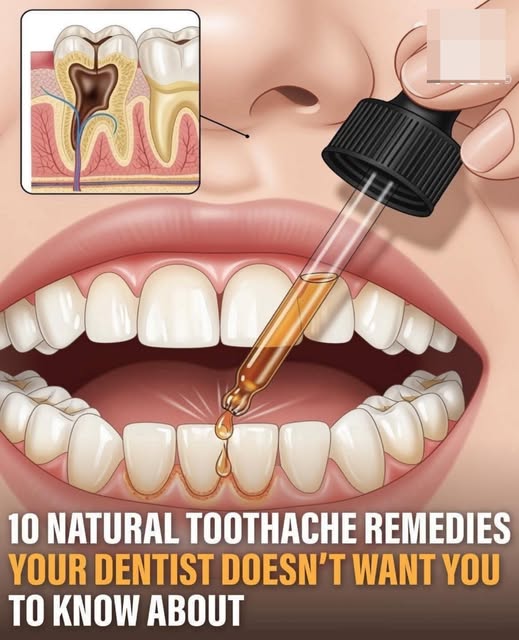
Toothaches are among the most disruptive health issues, often affecting daily routines, sleep, and overall well-being. While persistent dental pain always requires professional evaluation to rule out cavities, abscesses, or gum disease, certain natural remedies can offer meaningful relief and support oral health. Many modern dental practices trace their roots to traditional plant- and mineral-based therapies, which continue to provide analgesic and antimicrobial benefits. Below is a detailed guide to ten scientifically backed natural treatments for tooth discomfort, including step-by-step application methods.
1. Clove Oil: A Time-Honored Numbing Agent
Clove oil has been used for centuries to relieve tooth pain. Its efficacy comes from eugenol, a compound with both analgesic and antiseptic properties. Eugenol works by temporarily numbing nerve endings in the gums and teeth while also inhibiting harmful oral bacteria. Modern dentistry still incorporates clove derivatives for minor pain relief and oral care.
Application Protocol: Dilute 1–2 drops of clove essential oil in a teaspoon of carrier oil, such as olive or coconut oil. Apply directly to the painful area with a cotton swab. For a gentler rinse, add 2–3 drops to a quarter cup of water and swish around the mouth, taking care not to swallow.
2. Salt Water Rinse: Simple, Effective, and Soothing
Salt water rinses are a traditional first-line remedy for dental discomfort. The saline solution draws out excess fluids, reduces swelling, and promotes circulation in the gums, aiding the body’s natural healing process. Regular use can help manage minor infections and reduce oral inflammation.
Application Protocol: Dissolve one teaspoon of sea salt or Himalayan salt into a cup of warm water. Swish vigorously for 30 seconds and spit. Repeat two to three times daily for best results.
3. Hydrogen Peroxide (3%): Oxygen-Powered Antimicrobial
Hydrogen peroxide is an effective antibacterial and anti-inflammatory agent. It works by releasing oxygen, which targets anaerobic bacteria responsible for many dental infections. In addition, it helps reduce swelling and discomfort associated with localized abscesses or gum irritation.
Application Protocol: Mix equal parts 3% hydrogen peroxide and warm water. Gently swish for 30 seconds, then spit out completely. Avoid swallowing the solution. Limit use to once or twice daily.
4. Tea Tree Oil: Deep Tissue Antiseptic
Tea tree oil, derived from the Melaleuca alternifolia plant, is renowned for its antimicrobial and anti-inflammatory properties. Its small molecules penetrate deep into gum tissue, helping reduce bacterial growth and soothe irritated nerves.
Application Protocol: Dilute one drop in a teaspoon of carrier oil and apply with a cotton swab directly to the tooth. For a broader oral rinse, mix a few drops in warm water and swish gently.
5. Oil of Oregano: Natural Antibiotic Support
Oregano oil contains potent compounds such as carvacrol and thymol, which have demonstrated antimicrobial activity comparable to certain synthetic antibiotics in lab studies. It also helps reduce inflammation and ease pain, making it a versatile natural remedy for oral discomfort.
Application Protocol: Mix 1–2 drops with a teaspoon of olive oil. Dab onto the affected area using a cotton ball or swab and allow to sit for several minutes to maximize absorption.
6. Turmeric Paste: Anti-Inflammatory Powerhouse
Turmeric is more than a culinary spice; its active compound curcumin exhibits strong anti-inflammatory and antibacterial effects. Research suggests curcumin can reduce inflammatory markers and help control bacterial growth in the mouth, making it a valuable adjunct for dental pain relief.
Application Protocol: Mix one teaspoon of turmeric powder with a small amount of water to form a paste. Apply directly to the tooth with a cotton ball, leaving it in place for 30–60 minutes for optimal benefit.
7. Apple Cider Vinegar (ACV): pH Balancer and Soother
Raw, unfiltered apple cider vinegar contains acetic acid and natural enzymes that create a less favorable environment for harmful bacteria while promoting healing in inflamed tissues. Its anti-inflammatory properties can help alleviate swelling and discomfort.
Application Protocol: Soak a cotton ball in ACV and press it gently against the tooth for a few minutes. For a milder rinse, mix equal parts ACV and water, swish for 20 seconds, and spit out.
8. Ginger-Cayenne Paste: Dual-Action Pain Relief
Ginger and cayenne pepper work together to provide both anti-inflammatory and analgesic effects. Ginger reduces swelling and supports immune function, while capsaicin in cayenne can help block pain signals from reaching the brain.
Application Protocol: Mix equal parts ginger powder and cayenne with water to form a paste. Apply with a cotton ball directly to the tooth, avoiding the gums to prevent irritation. Leave on as long as tolerable.
9. Peppermint Tea: Cooling Menthol Relief
Peppermint contains menthol, a compound with mild numbing properties that can soothe oral discomfort. It also offers antibacterial effects, helping to reduce bacterial load and support gum health.
Application Protocol: Steep one teaspoon of dried peppermint leaves in hot water for 20 minutes. Drink slowly, allowing the tea to swish around the painful area. For a more concentrated effect, dilute 2–3 drops of peppermint essential oil in water and apply directly to the tooth.
10. Baking Soda: Neutralizing Acids and Reducing Swelling
Baking soda (sodium bicarbonate) helps balance the pH of the mouth, neutralizing acids produced by bacteria that contribute to tooth decay and gum inflammation. This effect can reduce bacterial growth and ease localized discomfort.
Application Protocol: Make a paste by mixing baking soda with a few drops of water and apply with a cotton swab to the affected area. Alternatively, dissolve one teaspoon in a glass of warm water and use as a rinse twice daily.
Additional Tips for Managing Tooth Pain Naturally
While these remedies can provide temporary relief, they are not substitutes for professional dental care. Persistent toothaches may indicate cavities, abscesses, or gum disease that require treatment. Maintaining proper oral hygiene—brushing twice daily, flossing, and using antimicrobial mouth rinses—remains critical. Limiting sugary foods and staying hydrated can also reduce bacterial proliferation and inflammation.
By combining these natural interventions with regular dental care, individuals can manage mild pain and support overall oral health while awaiting professional evaluation.